Sewing Machine: Complete Guide to Types, Prices, Uses & Buying
A sewing machine is one of the most important tools for sewing clothes, tailoring garments, making home textiles, and running a clothing business. Whether you are a beginner learning to stitch, a tailor starting a business, or a fashion brand setting up production, choosing the right machine can make sewing faster, easier, and more accurate.
But with so many types, brands, and price ranges available, choosing the right machine can be confusing. You may be wondering: How much do sewing machines cost? Where can I purchase a sewing machine? What is the sewing machine rate? Which stitching machine brand is best?
This guide explains everything you need to know before making a sewing machine purchase, including machine types, uses, prices, brands, and where to buy one.
What Is a Sewing Machine?
A sewing machine is a mechanical or electronic machine designed to join fabric using thread and stitches. Instead of sewing completely by hand, the machine uses a needle, thread, feed mechanism, and other components to create consistent stitches quickly.
A basic sewing machine can be used for everyday clothing repairs and simple garment construction. More advanced industrial machines are designed for professional tailoring and high-volume garment manufacturing.
In India, the terms sewing machine, stitching machine, tailoring machine, and sewing tailoring machine are often used interchangeably. However, different machines are designed for different types of sewing work.
What Is a Tailoring Machine?
A tailoring machine is generally a sewing machine used for making, altering, repairing, and finishing garments. Tailors use these machines to stitch shirts, trousers, dresses, skirts, uniforms, jackets, and other clothing.
A tailoring machine can be manual, electric, computerized, or industrial depending on the user’s requirements.
If you are starting a small tailoring business, a basic domestic or semi-industrial machine may be sufficient. Professional garment manufacturers usually require specialized industrial sewing machines for different operations.
Types of Sewing Machines
There are many types of sewing machines, and each is designed for a specific purpose.
1. Mechanical Sewing Machine
Mechanical sewing machines are simple machines operated using a hand wheel, foot pedal, or motor. They are popular because they are relatively easy to maintain and can be affordable.
They are suitable for:
- Basic garment sewing
- Clothing repairs
- Home tailoring
- Beginners
- Small tailoring businesses
A manual sewing machine for sale can be a good option if you want a simple machine without advanced electronic features.
2. Electric Sewing Machine
Electric machines use a motor to power the needle and fabric-feeding mechanism. They are generally faster and more convenient than manually operated machines.
They are useful for regular tailoring and home sewing and are available in different sizes and price ranges.
3. Computerized Sewing Machine
Computerized sewing machines offer additional controls and automatic functions. Depending on the model, they may provide multiple stitch patterns, automatic needle threading, speed control, buttonhole functions, and programmable settings.
These machines are particularly useful for people who want greater control over decorative and precision stitching.
4. Overlock Machine
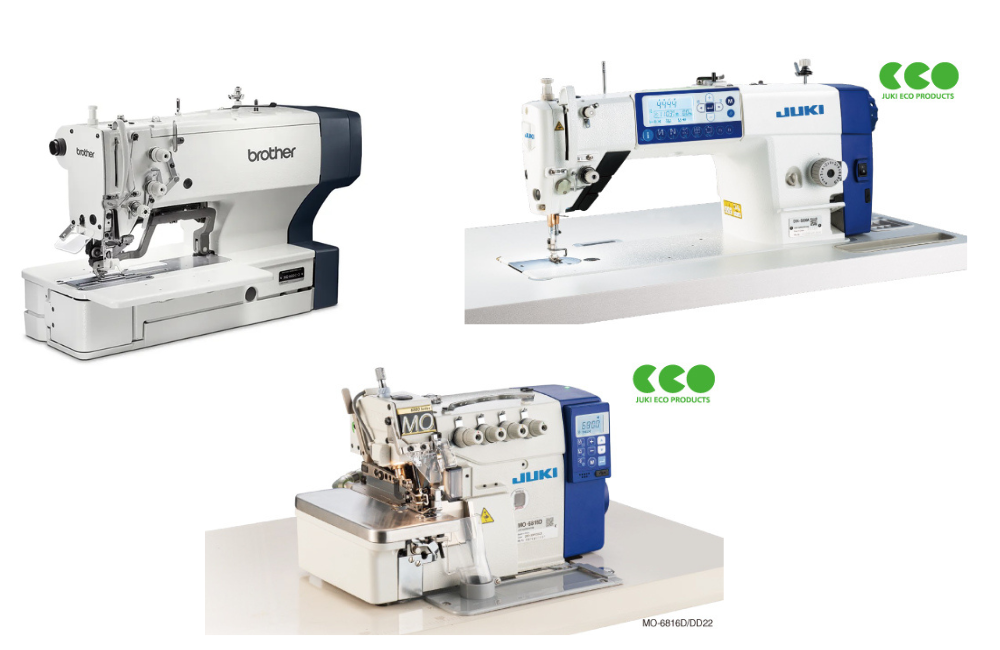
An overlock machine, also called a serger, is designed to finish fabric edges and prevent fraying. It is widely used in garment manufacturing.
Overlock machines are commonly used for:
- T-shirt production
- Knitwear
- Side seams
- Edge finishing
- Professional garment construction
5. Industrial Sewing Machine
Industrial sewing machines are designed for professional garment production. They are stronger, faster, and generally more durable than household machines.
Different industrial machines are designed for operations such as straight stitching, overlocking, buttonholes, button attachment, hemming, bartacking, and specialized seams.
Sewing Machine vs. Stitching Machine vs. Tailoring Machine
You may see products listed under different names such as stitching machine, sewing stitch machine, or tailoring machine.
In everyday Indian usage, these terms often refer to machines used for stitching fabric and garments.
However, the exact machine you need depends on the operation.
For example:
| Machine | Common Use |
|---|---|
| Lockstitch machine | General garment stitching |
| Overlock machine | Edge finishing |
| Coverstitch machine | T-shirt hems and knitwear |
| Buttonhole machine | Making buttonholes |
| Button sewing machine | Attaching buttons |
| Bartack machine | Reinforcing stress points |
| Embroidery machine | Decorative embroidery |
Therefore, don’t choose a machine based only on the word “sewing.” Look at the specific sewing operation you need to perform.
How Much Do Sewing Machines Cost?
One of the most common questions buyers ask is “How much do sewing machines cost?”
There is no single sewing machine cost because prices vary considerably depending on the machine type, brand, features, motor, construction, and intended use.
A basic domestic machine can cost significantly less than a professional industrial machine. Specialized machines can cost considerably more.
Your sewing machine rate may depend on:
- Machine type
- Brand
- Motor power
- Stitching speed
- Number of functions
- Automation
- Build quality
- Industrial or domestic use
- Accessories included
- Warranty and after-sales service
Instead of choosing the cheapest machine available, consider the amount and type of sewing you expect to do.
Tailoring Machine Price
The tailoring machine price can vary widely depending on whether you are purchasing a basic household machine, a heavy-duty machine, or an industrial model.
Similarly, the stitching machine cost depends on the machine’s specifications and application.
Before purchasing, compare:
- Initial machine price
- Motor and electricity requirements
- Maintenance costs
- Spare-parts availability
- Warranty
- Service availability
- Accessories
- Expected working life
A machine with a slightly higher purchase price may provide better value if it lasts longer and requires less maintenance.
Cheap Stitching Machine: Is It Worth Buying?
Searching for a cheap stitching machine can make sense if you are a beginner or only need a machine for occasional household sewing.
However, the cheapest option is not always the best option.
Before buying an inexpensive machine, check its:
- Stitch quality
- Motor performance
- Frame construction
- Needle compatibility
- Spare-parts availability
- Warranty
- Repair and service support
For occasional sewing, a basic machine may be perfectly adequate. For professional tailoring, investing in a stronger machine can save time and reduce maintenance problems.
How to Choose the Right Sewing Machine
Before making a sewing machine purchase, ask yourself a few important questions.
What Will You Sew?
If you mainly sew lightweight cotton fabrics, a basic machine may be enough.
If you work with denim, canvas, leather, multiple fabric layers, or heavy materials, look for a machine designed for heavier applications.
How Often Will You Use It?
A person sewing occasionally at home has different requirements from a tailor operating a machine several hours every day.
For professional use, durability and serviceability become much more important.
What Type of Stitch Do You Need?
Different garments require different stitching operations. A basic lockstitch machine cannot replace every specialized industrial machine.
Consider whether you need:
- Straight stitching
- Zigzag stitching
- Overlocking
- Coverstitching
- Buttonholes
- Button attachment
- Decorative stitching
Do You Have Access to Service?
This is often overlooked.
Before buying a machine, check whether replacement parts, technicians, and servicing are available in your area.
A machine may look attractive at a low price, but difficulty finding spare parts can become expensive later.
Sewing Machine Brands
There are many stitching machine brands available in the market, ranging from household sewing-machine manufacturers to companies specializing in industrial garment machinery.
Some well-known names include:
- Juki
- Brother
- Singer
- Janome
- Bernina
- Usha
- Jack
- Zoje
- Typical
The best brand depends on your intended application, budget, location, and access to service.
For industrial garment production, don’t select a brand only because it is popular for household sewing. Industrial machines are designed around specific production requirements.
Where to Get a Sewing Machine
If you are asking “where can I get a sewing machine?”, you have several options.
Local Sewing Machine Dealers
A local dealer can be a good choice because you may be able to inspect and test the machine before buying it.
You can search for:
“sewing machine nearby”
or
“tailoring machine near me.”
A local dealer can also be useful for installation, servicing, demonstrations, and spare parts.
Authorized Dealers
Authorized dealers can provide additional confidence regarding genuine products, warranty, installation, and service.
If you are buying an industrial machine for a business, an authorized dealer can also help you select the correct machine for your production process.
Online Stores
Online shopping is another option if you already know which model you need.
Searching for “stitching machine online,” “tailoring machine online purchase,” or “buying a sewing machine online” can help you compare different models.
However, check seller reviews, warranty conditions, return policies, delivery arrangements, and service support before placing an order.
Where Can I Purchase a Sewing Machine?
You can purchase a sewing machine from:
- Local sewing-machine dealers
- Authorized brand distributors
- Sewing-equipment stores
- Industrial machinery dealers
- Major online marketplaces
- Brand-operated online stores
If you are asking “where to purchase sewing machines,” start by deciding whether you need a domestic, heavy-duty, or industrial machine. Then compare models designed for your specific purpose.
What to Check Before Buying a Sewing Machine Online
Buying online can be convenient, but don’t select a machine based only on its listed price.
Check:
1. Machine Specifications
Look at the machine’s speed, motor, stitch types, maximum fabric thickness, and intended application.
2. Seller Reputation
Choose a reputable seller with good customer feedback and clear product information.
3. Warranty
Check what the warranty covers and whether service is available in your location.
4. Spare Parts
Make sure commonly required parts such as needles, bobbins, presser feet, belts, and other components are available.
5. Reviews
Read reviews from people who use the machine for similar sewing work.
6. Total Cost
Don’t look only at the machine price. Consider shipping, accessories, installation, servicing, and other additional expenses.
Should You Buy a New or Used Sewing Machine?
A new sewing machine provides the advantage of a manufacturer’s warranty and potentially easier access to service and parts.
A used machine can be attractive if you have a limited budget, particularly for certain industrial machines known for durability.
If you purchase used equipment, inspect:
- Motor condition
- Needle bar movement
- Feed mechanism
- Stitch quality
- Noise and vibration
- Electrical components
- Oil leakage
- Machine head condition
- Availability of replacement parts
If possible, test the machine with the type of fabric you plan to sew.
How Much Is a New Sewing Machine?
The answer to “how much is new sewing machine?” depends on the type and specifications.
A basic household sewing machine may be relatively affordable, while heavy-duty and industrial machines can cost substantially more.
Instead of asking only “how much is sewing machine?”, define your requirements first.
For example:
Home sewing → basic domestic machine
Regular tailoring → stronger mechanical or electric machine
Heavy fabrics → heavy-duty machine
Garment factory → industrial sewing equipment
T-shirt production → lockstitch + overlock + coverstitch machines
This approach makes it easier to compare prices and avoid buying the wrong machine.
Common Mistakes When Buying a Sewing Machine
Avoid these common mistakes when purchasing a machine.
Choosing Only by Price
The cheapest machine may not provide the durability required for professional work.
Buying the Wrong Machine Type
A standard lockstitch machine cannot perform every garment-production operation.
Ignoring Service Support
Good after-sales service can be just as important as the machine itself.
Not Testing the Machine
Whenever possible, test the machine with your actual fabric and thread.
Buying More Features Than You Need
Advanced features can increase the price without providing much benefit if you only need basic stitching.
Frequently Asked Questions
How much do sewing machines cost?
Sewing machine prices vary depending on the type, brand, features, and intended use. Basic domestic machines are generally more affordable, while industrial and specialized machines cost more.
What is the difference between a sewing machine and a tailoring machine?
The terms are often used interchangeably. A tailoring machine generally refers to a sewing machine used specifically for making, altering, or repairing garments.
Where can I find a sewing machine?
You can find sewing machines at local dealers, authorized distributors, sewing-equipment stores, industrial machinery suppliers, and online marketplaces.
Where to find sewing machine dealers?
Search for local sewing-machine dealers, authorized brand distributors, or industrial sewing-equipment suppliers in your area. You can also search online for “sewing machine nearby.”
Is a cheap stitching machine good for beginners?
A low-cost machine can be suitable for beginners who need basic sewing functions. However, check build quality, stitch performance, warranty, and service availability before purchasing.
Can I buy a tailoring machine online?
Yes. Tailoring machine online purchase is possible through online marketplaces, brand stores, and specialized sewing-equipment websites. Always check seller reputation, warranty, and after-sales service.
What should I consider before buying a sewing machine online?
Consider the machine’s intended use, specifications, price, warranty, seller reputation, spare-parts availability, reviews, and service support.
Who sells sewing machines?
Sewing machines are sold by local dealers, authorized distributors, sewing-equipment retailers, industrial machinery suppliers, and online sellers.
Final Thoughts
The right sewing machine depends on what you want to sew, how frequently you will use it, your budget, and the level of production you need.
For occasional home sewing, a basic machine may be enough. Tailors may benefit from a more durable machine, while clothing manufacturers often need several specialized industrial machines for different garment-production operations.
Before buying, compare the sewing machine cost, sewing machine rate, tailoring machine price, features, durability, warranty, and service support.
Most importantly, choose the machine for the work you actually need to perform, rather than simply choosing the cheapest or most feature-rich option.
Ready for Production?
Get a professional tech pack for your fashion design.
Table of Contents