
Clothing Machine
A clothing machine is an essential tool for making, stitching, and finishing garments. From a small fashion studio to a large clothing factory, the right machine can improve sewing quality, production speed, and overall efficiency.
If you are starting a clothing brand, learning garment production, setting up a tailoring business, or looking for a sewing machine for designing clothes, understanding the different types of machines is important.
There is no single machine that can perform every sewing operation. Different garments and fabrics require different machines. A basic sewing machine may be enough for simple projects, while professional garment production may require several specialized machines.
In this guide, we will explain the different types of apparel sewing machines, how they are used, which machines are best for different garments, and how to choose the right garment making machine for your needs.
What Is a Clothing Machine?
A clothing machine is a sewing or garment production machine used to construct, join, finish, or decorate fabric pieces to create clothing.
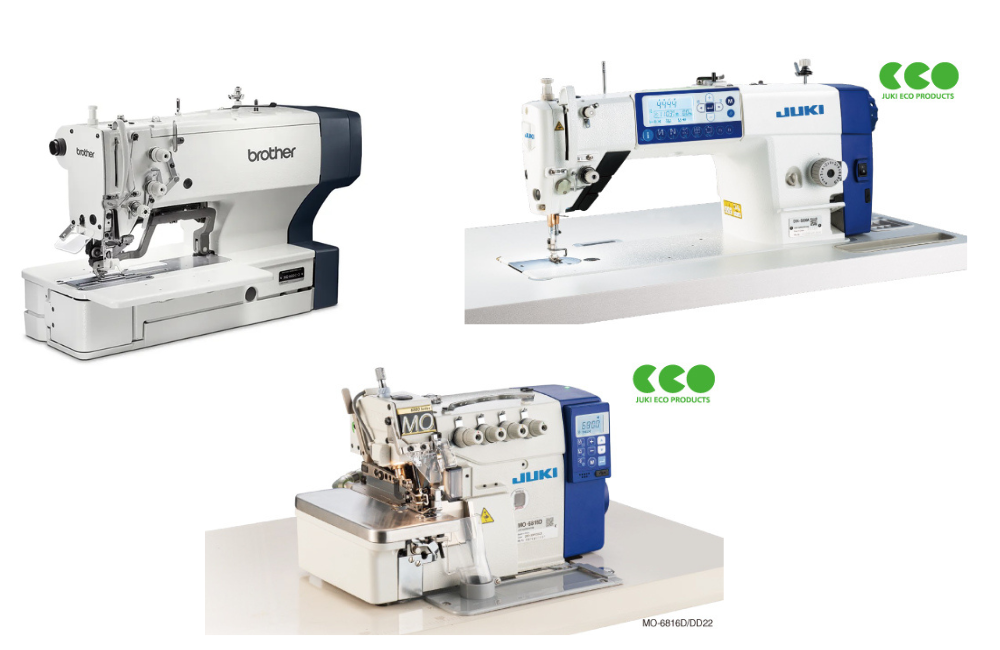
The term can refer to many different machines, including sewing machines, overlock machines, coverstitch machines, buttonhole machines, button attaching machines, and industrial stitching machines.
Depending on the machine, it can be used to:
- Join fabric panels
- Create seams
- Finish raw fabric edges
- Attach sleeves and collars
- Make hems
- Create buttonholes
- Attach buttons
- Add decorative stitching
- Produce professional garment finishes
For home sewing, one multipurpose machine may be enough. For commercial garment manufacturing, several specialized machines are normally used together.
Types of Clothing Machines
Different clothing machines are designed for different sewing operations. Choosing the right machine depends on the type of garment, fabric, seam, and production volume.
Here are some of the most common types.
1. Lockstitch Sewing Machine
The lockstitch machine is one of the most commonly used sewing machines in clothing production.
It creates a strong and clean straight stitch and is suitable for many woven fabrics.
It can be used for:
- Shirts
- Dresses
- Trousers
- Skirts
- Jackets
- Uniforms
- Bags and accessories
For general garment construction, an industrial lockstitch machine is often one of the first machines manufacturers consider.
2. Overlock Sewing Machine
An overlock machine, also called a serger, trims the fabric edge while wrapping thread around it.
It is especially useful for preventing fabric from fraying.
Overlock machines are commonly used for:
- T-shirt production
- Knitwear
- Sportswear
- Underwear
- Dresses
- Casual clothing
An overlock machine is an important garment stitching machine because it can create clean and durable edge finishes.
3. Coverstitch Machine
Coverstitch machines are widely used for knit garments.
They create the professional-looking hems commonly found on T-shirts, sweatshirts, leggings, and other stretch garments.
A coverstitch machine is particularly useful for:
- Bottom hems
- Sleeve hems
- Neckline finishing
- Stretch fabric
- Sportswear
4. Buttonhole Machine
A buttonhole machine is designed specifically to create buttonholes quickly and consistently.
In high-volume garment production, using a dedicated buttonhole machine can improve consistency and production speed.
5. Button Attaching Machine
As the name suggests, this machine is used to attach buttons to garments.
It is commonly used in shirt, blouse, uniform, jacket, and other garment production.
6. Blind Stitch Machine
A blind stitch machine creates stitches that are difficult to see from the outside of the garment.
It is often used for hems where a clean appearance is important.
7. Bartack Machine
A bartack machine creates strong reinforcement stitches in areas that experience high stress.
Common applications include:
- Pocket openings
- Belt loops
- Zipper ends
- Workwear
- Jeans
- Sportswear
Sewing Machine for Designing Clothes
A sewing machine for designing clothes is useful for fashion designers, students, sample makers, tailors, and clothing entrepreneurs.
For beginners and designers who are developing samples, a good-quality computerized or mechanical sewing machine can be a practical starting point.
A designer may use a sewing machine to:
- Create the first sample.
- Test the garment pattern.
- Check fabric behavior.
- Adjust fit and construction.
- Experiment with seams and details.
- Develop a final prototype.
However, designing clothes and manufacturing clothes are different processes.
A designer may only need a versatile sewing machine during the sampling stage. A manufacturer producing hundreds or thousands of garments may need several specialized industrial machines.
What Is an Apparel Sewing Machine?
An apparel sewing machine is a sewing machine designed or commonly used for constructing clothing and other textile products.
Apparel sewing machines can range from basic domestic machines to specialized industrial equipment.
The right machine depends on factors such as:
- Fabric type
- Garment type
- Stitch type
- Production volume
- Required sewing speed
- Seam construction
- Required finishing quality
For example, a lightweight woven shirt may require different machines from a heavy denim jacket or a stretch jersey T-shirt.
What Is a Garment Sewing Machine?
A garment sewing machine is equipment used to sew fabric components together during clothing production.
The term covers both general-purpose and specialized industrial machines.
In a garment factory, different operations may use different machines. For example, one operator may use a lockstitch machine for a straight seam, another may use an overlock machine for edge finishing, while another may use a coverstitch machine for hems.
This specialization allows manufacturers to produce garments faster and with consistent quality.
Garment Stitching Machine vs. Sewing Machine
The terms garment stitching machine and sewing machine are often used interchangeably, but they can have slightly different meanings.
A sewing machine is a broad term for equipment that joins materials using stitches.
A garment stitching machine generally refers specifically to machines used for clothing and apparel production.
For example:
| Machine | Common Use |
|---|---|
| Lockstitch machine | Straight seams |
| Overlock machine | Edge finishing |
| Coverstitch machine | Knit garment hems |
| Buttonhole machine | Buttonholes |
| Button attaching machine | Attaching buttons |
| Bartack machine | Reinforcement |
| Blind stitch machine | Hidden hems |
What Is a Garment Making Machine?
A garment making machine is any machine used in the process of manufacturing clothing.
Garment manufacturing involves much more than sewing. Depending on the production process, machines may be used for cutting, sewing, pressing, finishing, embroidery, and quality control.
A garment production line may include:
Fabric → Pattern Making → Cutting → Sewing → Finishing → Pressing → Quality Control → Packing
Sewing machines are therefore one part of the larger garment manufacturing process.
Best Clothing Machine for Different Garments
There is no universal best clothing machine. The ideal machine depends on what you are making.
T-Shirts
T-shirt production commonly requires:
- Overlock machine
- Coverstitch machine
- Lockstitch machine
Because T-shirts are usually made from stretchable knitted fabrics, machines capable of producing suitable stretch seams are important.
Shirts
Shirt production may require:
- Lockstitch machine
- Overlock machine
- Buttonhole machine
- Button attaching machine
Additional specialized machines may be used for collars, cuffs, plackets, and other operations.
Jeans
Denim garments require machines capable of handling heavier fabrics and multiple layers.
Common equipment can include:
- Heavy-duty lockstitch machines
- Overlock machines
- Bartack machines
- Buttonhole machines
- Specialized denim sewing machines
Dresses
Depending on the fabric and construction, dresses can require:
- Lockstitch machines
- Overlock machines
- Coverstitch machines
- Blind stitch machines
Sportswear
Sportswear often uses stretch fabrics, so machines designed for stretch seams are particularly important.
Common machines include:
- Overlock machines
- Coverstitch machines
- Lockstitch machines
Domestic vs. Industrial Clothing Machines
One of the biggest decisions is whether to choose a domestic or industrial machine.
Domestic Sewing Machines
Domestic machines are designed primarily for home sewing, alterations, hobbies, and small-scale projects.
Advantages:
- Easier to use
- Usually more affordable
- Compact
- Suitable for beginners
- Good for sampling and small projects
Industrial Sewing Machines
Industrial machines are designed for professional and commercial production.
Advantages:
- Higher sewing speeds
- Designed for continuous operation
- Greater durability
- Specialized functions
- Better suited to production environments
If you are producing garments commercially, an industrial garment sewing machine is generally more appropriate than a basic household machine.
How to Choose the Right Clothing Machine
Before buying a clothing machine, consider the following factors.
1. Type of Fabric
Think about whether you will work with:
- Cotton
- Linen
- Polyester
- Jersey
- Denim
- Silk
- Wool
- Technical fabrics
Lightweight and heavy fabrics can require different machine specifications.
2. Type of Garment
The machine needed for a T-shirt may be different from the machine needed for jeans or a structured jacket.
Start by identifying the products you plan to manufacture.
3. Production Volume
A home-based designer making a few samples does not need the same equipment as a factory producing thousands of garments every month.
4. Stitch Requirements
Determine which stitches and seams your garments require.
Common stitch requirements include:
- Straight stitch
- Overlock stitch
- Coverstitch
- Zigzag stitch
- Blind stitch
- Bartack
- Buttonhole
5. Sewing Speed
Production businesses should consider machine speed, but speed should not be the only factor.
Stitch quality, operator skill, machine reliability, and fabric handling are equally important.
6. Maintenance and Parts
Before purchasing a machine, check whether replacement parts, technicians, and maintenance services are easily available in your area.
A machine that is difficult to repair can cause unnecessary production delays.
Why the Right Garment Stitching Machine Matters
The right machine can have a major impact on garment production.
It can help improve:
Production speed: Specialized machines can perform repetitive operations quickly.
Stitch quality: Proper machine selection can create cleaner and more consistent seams.
Efficiency: Operators can perform specific operations faster when they have the right equipment.
Garment durability: Correct stitch and seam construction can improve the strength of a garment.
Finishing: Specialized machines can create professional-looking hems, edges, buttonholes, and reinforcements.
Clothing Machine for Fashion Startups
Fashion startups often do not need a complete factory setup at the beginning.
If you are developing a new clothing brand, the initial focus should usually be on sampling and product development.
A practical setup may include:
- A reliable sewing machine
- An overlock machine
- An ironing or pressing setup
- Basic cutting equipment
- Measuring and quality-control tools
As production grows, you can add specialized garment making machines based on your actual production requirements.
Before investing in expensive machinery, understand your product, fabric, construction methods, order volume, and manufacturing process.
Clothing Machine and the Tech Pack
Choosing the right machine is only one part of successful garment production.
A well-prepared tech pack helps communicate how a garment should be manufactured.
A tech pack can include:
- Technical flats
- Measurements
- Construction details
- Stitch specifications
- Seam information
- Fabric details
- Trims
- Labels
- Bill of Materials (BOM)
- Artwork
- Quality requirements
For example, a tech pack can specify the required seam construction and stitch type so the manufacturer understands how the garment should be produced.
This is particularly important when working with manufacturers who are producing samples or bulk orders for a fashion brand.
Common Mistakes When Choosing a Clothing Machine
Buying Based Only on Price
The cheapest machine is not always the most cost-effective option.
Consider reliability, maintenance, productivity, and suitability for your garments.
Choosing a Machine Without Considering Fabric
A machine suitable for lightweight cotton may not perform well with thick denim or highly stretchy fabric.
Buying Too Many Machines Too Early
New businesses can waste money by purchasing specialized machines before they have enough production volume to justify them.
Ignoring Maintenance
Regular maintenance is important for maintaining stitch quality and machine performance.
Focusing Only on Sewing Speed
A high-speed machine is not useful if it produces poor-quality seams or is unsuitable for the fabric.
Frequently Asked Questions About Clothing Machines
What is a clothing machine?
A clothing machine is equipment used to sew, construct, finish, or manufacture garments. The term can include sewing machines, overlock machines, coverstitch machines, buttonhole machines, and other specialized garment production equipment.
Which sewing machine is best for designing clothes?
A versatile sewing machine is generally a good starting point for fashion designers and beginners. The ideal choice depends on the fabrics, garment types, stitches, and level of production.
What is an apparel sewing machine?
An apparel sewing machine is a machine used to construct and sew clothing and textile products. It can be a general-purpose sewing machine or a specialized industrial machine.
What is a garment stitching machine?
A garment stitching machine is equipment used to join or finish fabric components during garment production. Different machines are designed for different stitches and sewing operations.
What is the difference between a sewing machine and a garment making machine?
A sewing machine primarily performs stitching operations, while the term garment making machine can refer more broadly to equipment used throughout garment manufacturing, including sewing, finishing, and specialized production processes.
Which machine is commonly used for T-shirt production?
T-shirt manufacturing commonly uses overlock and coverstitch machines, along with lockstitch machines for specific operations.
Do I need an industrial sewing machine to start a clothing brand?
Not necessarily. If you are primarily developing samples and producing very small quantities, a quality domestic machine may be sufficient. As production increases, industrial machines can provide greater speed, durability, and consistency.
Final Thoughts
The right clothing machine depends on what you are making, the fabric you are using, your production volume, and the type of seams and finishes required.
For beginners and fashion designers, a versatile sewing machine can be a good starting point. For professional garment manufacturing, specialized machines such as lockstitch, overlock, coverstitch, buttonhole, and bartack machines can improve efficiency and consistency.
If you are building a fashion brand, remember that machinery is only one part of the production process. A clear design, accurate measurements, correct construction details, and a professional tech pack can help turn your idea into a production-ready garment.
Table of Contents

Pingback: Sewing Machine: Types, Prices, Uses & Buying Guide