Tech Pack Mistakes Most Startups Make (And How They Destroy Clothing Brands Before Launch)
The Hidden Reason Most Fashion Startups Fail Before Production
A clothing brand doesn’t fail because of bad ideas.
It fails because the execution breaks somewhere between the sketch and the factory.
Thousands of fashion startups spend months designing collections, building Instagram pages, and planning launches… only to receive samples that look nothing like their vision.
Wrong measurements.
Incorrect fabrics.
Poor stitching.
Sizing disasters.
Factories confused at every stage.
And in most cases, the problem starts with one thing:
A bad tech pack.
If you are launching a fashion brand, POD label, streetwear company, activewear line, or luxury collection, understanding tech pack mistakes can save you thousands of dollars, months of delays, and endless production headaches.
In this guide, we’ll break down the biggest tech pack mistakes startups make — and how smart brands avoid them.
What Is a Tech Pack in Fashion?
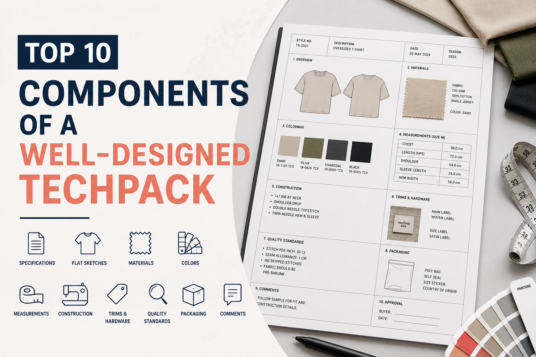
A tech pack (technical package) is the blueprint of a garment.
It tells manufacturers exactly how a product should be made.
Think of it like architectural drawings for clothing.
A professional tech pack usually includes:
- Flat sketches
- Measurements
- Fabric details
- Stitching instructions
- Colorways
- Labels and trims
- Print placements
- Size grading
- Packaging instructions
Without a proper tech pack, factories are forced to “guess” your design.
And guessing is expensive.
Why Tech Packs Matter More Than Most Startups Realize
Many new clothing brand owners think factories can simply understand designs from inspiration images or rough sketches.
That rarely works.
Factories produce garments based on technical instructions, not imagination.
A missing detail can completely change the final product.
For example:
A startup founder in Los Angeles sent reference photos to a factory for oversized hoodies.
The manufacturer delivered regular-fit hoodies because the fit measurements were never specified.
Another activewear startup forgot to mention fabric GSM (fabric thickness).
The leggings became transparent during stretching.
Both situations could have been avoided with detailed tech packs.
1. Using Only Inspiration Images Instead of Technical Drawings
This is one of the biggest mistakes fashion startups make.
Pinterest images are not production instructions.
Factories need clear flat sketches showing:
- Front view
- Back view
- Side details
- Stitch lines
- Pocket placements
- Collar shapes
- Sleeve construction
Without technical drawings, manufacturers interpret designs differently.
And every factory interprets differently.
Beginner-Friendly Tip
A flat sketch is a clean technical illustration of the garment without model poses or artistic styling.
It focuses only on construction details.
2. Missing Measurement Specifications
Many startup founders say things like:
- “Make it oversized”
- “Make it relaxed fit”
- “Make it premium fit”
But those terms mean different things in different countries.
An oversized fit in Korea is different from one in the US or Europe.
Factories need exact measurements such as:
- Chest width
- Body length
- Sleeve length
- Shoulder width
- Neck opening
Without measurements, sizing becomes inconsistent.
This creates:
- High return rates
- Bad customer reviews
- Inventory losses
3. Ignoring Fabric Details
Fabric changes everything.
The same design can look completely different depending on the material.
Many startups mention only:
- “Cotton”
- “Polyester”
- “Stretch fabric”
But manufacturers need precise details like:
- Fabric composition
- GSM
- Knit or woven structure
- Wash type
- Stretch percentage
Real-World Example
A UK streetwear startup ordered heavyweight t-shirts.
The tech pack never specified GSM.
The factory used lightweight cotton to reduce costs.
Result?
The garments looked cheap and lost shape after washing.
4. Forgetting Stitching Instructions
Stitching affects durability, comfort, and premium feel.
Yet many startups completely ignore it.
Your tech pack should mention:
- Stitch type
- Stitch density
- Seam finish
- Needle specifications
- Topstitch placement
Luxury brands are extremely detailed about stitching because it directly impacts perceived quality.
Even basic t-shirts from premium brands use carefully selected stitch construction.
5. Not Mentioning Print Placement Properly
This mistake destroys countless streetwear and POD brands.
Many founders say:
- “Large back print”
- “Small chest logo”
But factories need exact placement measurements.
For example:
- Logo width: 10 cm
- Distance from neckline: 7 cm
- Center alignment instructions
Without this, prints can appear:
- Too low
- Crooked
- Off-center
- Different across sizes
6. Skipping Size Grading
A garment is not simply scaled up or down.
Every size requires proper grading.
Size grading means adjusting measurements proportionally across different sizes.
Without grading:
- XL may become too long
- Sleeves may look awkward
- Neck openings may become oversized
This is why professional tech packs include complete size charts.
7. Sending Incomplete Tech Packs to Factories
Many startups rush production because they are excited to launch quickly.
They send unfinished tech packs thinking factories will “figure it out later.”
That usually leads to:
- Endless revisions
- Delayed sampling
- Extra costs
- Miscommunication
A complete tech pack reduces confusion and speeds up production dramatically.
8. Ignoring Label and Packaging Details
Branding is not only about the garment.
Labels and packaging shape customer perception.
Your tech pack should include:
- Main label size
- Wash care labels
- Hangtags
- Packaging instructions
- Barcode placement
- Fold method
Luxury brands obsess over these details because customers remember the full unboxing experience.
9. Using Generic Measurements for Global Markets
Different countries have different fit expectations.
For example:
- US customers often prefer relaxed fits
- European fits are usually slimmer
- Asian markets may require shorter proportions
Global brands adjust sizing based on target audiences.
If your brand sells internationally, your tech pack should reflect regional fit preferences.
10. Choosing Cheap Tech Packs to Save Money
This is one of the most expensive “money-saving” mistakes.
Cheap or poorly made tech packs create:
- Sampling errors
- Factory confusion
- Production waste
- Delays
- Rejected inventory
A professional tech pack is an investment, not an expense.
It protects your product quality and brand reputation.
What a Professional Fashion Tech Pack Should Include
Here’s what professional clothing brands usually include:
Design Section
- Flat sketches
- Construction details
- Colorways
Measurement Section
- Spec sheet
- Size chart
- Grading
Material Section
- Fabric details
- Trim details
- Labels
Production Section
- Stitch instructions
- Print placements
- Packaging details
Reference Section
- Pantone colors
- Artwork files
- Factory notes
The clearer the document, the smoother the production process.
Practical Tips to Create Better Tech Packs
Start With One Hero Product
Instead of designing 20 products at once, focus on:
- One hoodie
- One t-shirt
- One tracksuit
Perfect the production process first.
Study Existing Garments
Buy garments from brands you admire.
Measure:
- Fit
- Fabric weight
- Stitching
- Construction
Reverse-engineering products teaches more than theory.
Never Skip Sampling
Even luxury brands create multiple samples.
Your first sample is rarely perfect.
Sampling helps identify:
- Fit issues
- Fabric problems
- Construction mistakes
Use Clear Communication
Factories work faster when instructions are simple and visual.
Avoid vague terms like:
- “Make it cool”
- “Luxury feel”
- “Trendy fit”
Use measurable details instead.
Work With Professional Tech Pack Developers
Many successful fashion founders are not technical designers.
And that’s okay.
Professional tech pack creators help translate ideas into factory-ready documents.
This reduces production risk significantly.
The Difference Between Amateur Brands and Serious Fashion Brands
Amateur brands focus mostly on aesthetics.
Serious brands focus on systems.
Big fashion brands succeed because they standardize production.
Their garments look consistent because every detail is documented properly.
A tech pack is not just paperwork.
It is the operational foundation of a fashion business.
Final Thoughts
Most fashion startups don’t fail because they lack creativity.
They fail because their ideas never translate properly into production.
A professional tech pack bridges the gap between imagination and manufacturing.
It helps factories understand your vision clearly.
It protects product quality.
It saves money.
And most importantly — it helps build a real fashion brand instead of a short-term hobby.
If you want your clothing brand to compete globally, start treating tech packs as seriously as product design itself.
Because in fashion manufacturing, clarity creates quality.
FAQs About Fashion Tech Packs
1. What is the purpose of a tech pack?
A tech pack helps manufacturers understand exactly how a garment should be manufactured.
2. Can I launch a clothing brand without a tech pack?
Technically yes, but there is high chance of production errors and miscommunication between you and manufacturer which may lead to wrong sampling and production.
3. How much does a professional tech pack cost?
Costs vary depending on complexity, garment type, and detail level.
4. What software is used to create tech packs?
Tools like Adobe Illustrator, Excel, CLO 3D, and specialized fashion software are best for creating tech packs.
5. Are tech packs important for POD brands?
Yes. It is very important for print-on-demand brands to have proper print placements, sizing, and other specifications.
6. How detailed should a tech pack be?
As detailed as possible. The goal is to remove miscommunication and guesswork for manufacturers.
7. Can one tech pack work for multiple factories?
Yes, if created professionally and with standardized specifications by experts like Tech Pack Genius.
Table of Contents