
Sewing Machine for Making Shirts: Complete Guide
Choosing the right sewing machine for making shirts is important for getting clean seams, accurate stitching, and a professional finish. Whether you are making shirts at home, starting a small clothing business, or running a garment factory, the right machine can make the sewing process faster and more consistent.
A shirt may look simple, but it contains several different construction details. Collars, cuffs, sleeves, plackets, buttons, seams, and hems may require different sewing techniques and machines.
In this guide, we will explain the different sewing machines used for making shirts, which machine is best for different shirt parts, and how to choose the right setup for your production needs.
What Sewing Machine Is Used for Making Shirts?
The most commonly used sewing machine for shirt making is the single-needle lockstitch sewing machine. It is used for many basic construction operations, including joining panels, attaching collars, sewing cuffs, and creating straight seams.
However, a professional shirt production line normally uses several types of sewing machines.
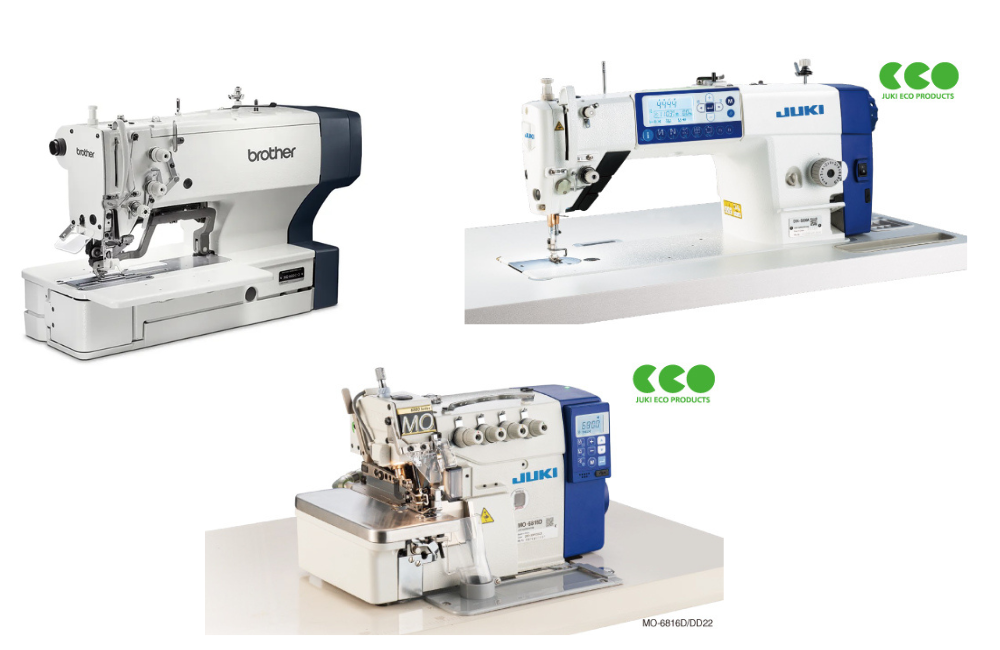
Common machines used to make shirts include:
- Single-needle lockstitch machine
- Overlock machine
- Buttonhole machine
- Button attaching machine
- Coverstitch machine
- Blind stitch machine
- Specialized collar and cuff machines
The exact machines required depend on the type of shirt, fabric, construction method, production volume, and desired finish.
Types of Sewing Machines for Shirt Making
1. Single-Needle Lockstitch Machine
A single-needle lockstitch machine is one of the most important machines in shirt manufacturing.
It creates a straight, strong stitch using one needle and a bobbin. It is commonly used for:
- Side seams
- Shoulder seams
- Sleeve attachment
- Collar attachment
- Cuff attachment
- Placket construction
- Pocket attachment
- Topstitching
- General garment assembly
For a small clothing business, this is often the first industrial sewing machine to purchase.
A good-quality industrial lockstitch machine can produce consistent stitches at high speed and is suitable for many lightweight and medium-weight shirt fabrics.
2. Overlock Machine
An overlock sewing machine, also called a serger, is used to finish fabric edges and prevent fraying.
It is especially useful for shirts made from knitted or loosely woven fabrics.
An overlock machine can be used for:
- Seam finishing
- Edge finishing
- Joining knit fabric
- Preventing fabric from unraveling
For woven formal shirts, the overlock machine may be used mainly for seam finishing rather than as the primary construction machine.
3. Buttonhole Machine
A shirt needs properly made buttonholes, especially around the front placket and cuffs.
A buttonhole machine creates consistent buttonholes quickly and accurately.
In commercial shirt production, using a dedicated buttonhole machine provides better consistency than creating every buttonhole manually.
4. Button Attaching Machine
A button attaching machine is designed to sew buttons onto garments quickly.
It is useful when producing shirts in large quantities because it saves time and produces consistent button attachment.
For a small production setup, buttons can also be attached using a regular sewing machine with the correct presser foot and settings.
5. Coverstitch Machine
A coverstitch machine is more commonly associated with knit garments such as polo shirts, T-shirts, and other stretch garments.
It can be useful for certain shirt hems and decorative or functional stitching.
For a traditional woven formal shirt, however, a single-needle lockstitch machine is usually more important.
6. Blind Stitch Machine
A blind stitch machine creates stitches that are difficult to see from the outside of the garment.
It can be useful for specific hemming applications, although it is not essential for every type of shirt.
What Is the Best Sewing Machine for Making Shirts?
For most shirt-making applications, an industrial single-needle lockstitch machine is the best starting point.
It is versatile, reliable, and capable of producing clean straight stitches on many shirt fabrics.
However, the “best” sewing machine depends on what you are producing.
| Shirt Type | Recommended Machine |
|---|---|
| Formal cotton shirt | Single-needle lockstitch |
| Casual woven shirt | Single-needle lockstitch |
| Linen shirt | Single-needle lockstitch |
| Denim shirt | Heavy-duty lockstitch |
| Polo shirt | Overlock + coverstitch |
| Knit shirt | Overlock + coverstitch |
| Large-scale shirt production | Industrial machine setup |
If you are producing shirts commercially, it is usually better to think about a complete machine setup rather than searching for one machine that performs every operation.
Industrial vs. Domestic Sewing Machines for Shirts
The choice between a domestic and industrial sewing machine depends on production requirements.
Domestic Sewing Machine
A domestic machine is suitable for:
- Beginners
- Home sewing
- Small sample development
- Personal clothing projects
- Very small production runs
It is generally more affordable and easier to use.
However, it may not be designed for continuous high-volume production.
Industrial Sewing Machine
An industrial machine is designed for professional garment manufacturing.
Advantages include:
- Higher sewing speed
- Stronger construction
- Better durability
- Consistent stitching
- Longer operating periods
- Specialized machine options
- Better productivity
For a clothing manufacturer producing shirts regularly, an industrial sewing machine for shirts is generally the better choice.
Which Sewing Machine Is Used for Different Shirt Parts?
A shirt consists of many individual components. Different sewing operations may require different machine types.
Shirt Body Seams
The front and back panels can generally be joined using a single-needle lockstitch machine.
An overlock machine may then be used for seam finishing.
Shirt Collar
Collar construction requires accurate stitching because the collar is highly visible.
A single-needle lockstitch machine is commonly used for collar construction and attachment.
Specialized equipment may be used in high-volume production.
Shirt Cuffs
Cuffs require precise sewing because they need to maintain their shape and symmetry.
A lockstitch machine is commonly used for cuff construction and attachment.
Shirt Sleeves
Sleeves can be attached using a lockstitch machine.
The exact sewing method depends on the pattern and construction details.
Shirt Placket
The front placket is one of the most important visible details of a shirt.
A lockstitch machine can be used for many placket operations, including attaching and topstitching the placket.
Shirt Hem
The machine used for the hem depends on the shirt construction and desired finish.
Lockstitch, coverstitch, or specialized hemming machines may be used depending on the garment.
Buttonholes
A dedicated buttonhole machine is normally used in commercial production.
Buttons
A button attaching machine is preferred for high-volume production, while smaller businesses can use a suitable lockstitch machine and button-sewing attachment.
Important Sewing Machine Specifications to Consider
Before buying a sewing machine for making shirts, consider the following specifications.
Stitch Type
For most woven shirts, a straight lockstitch is one of the most important stitch types.
For knit shirts, overlock and coverstitch capabilities become more important.
Stitch Length
The machine should allow you to adjust stitch length according to the fabric and sewing operation.
Fine fabrics may require a different stitch length from heavier fabrics.
Sewing Speed
Industrial machines can operate at much higher speeds than many domestic machines.
However, higher speed is not always better. Operators need proper training and control to maintain quality.
Needle System
The correct needle and needle size are important.
Using the wrong needle can cause:
- Skipped stitches
- Fabric damage
- Thread breakage
- Poor stitch quality
- Needle breakage
Presser Foot
Different presser feet can make specific shirt-making operations easier.
Specialized feet can help with:
- Edge stitching
- Zippers
- Piping
- Buttonholes
- Narrow seams
- Topstitching
Motor
The motor determines how efficiently the machine operates.
Modern industrial machines may use servo motors that offer better speed control and can be more efficient than traditional clutch motors.
Fabric Compatibility
Always choose a machine according to the fabric.
A machine designed for lightweight woven fabric may not be the best choice for heavy denim.
Best Sewing Machine for Different Shirt Fabrics
The fabric you use has a major effect on machine selection.
Cotton Shirts
Cotton shirts can usually be made using a standard industrial lockstitch machine.
The needle, thread, stitch length, and presser foot should be selected according to the fabric weight.
Linen Shirts
Linen is generally lightweight to medium weight but can behave differently during sewing.
A good-quality lockstitch machine with suitable needle and thread settings works well for most linen shirts.
Denim Shirts
Denim requires more consideration because it is heavier than typical shirting fabrics.
A stronger machine, suitable needle, appropriate thread, and correct presser-foot pressure may be required.
Knit Shirts
Knit fabrics stretch during sewing.
For knit shirts and polo-style garments, an overlock machine and coverstitch machine are often important.
How Many Sewing Machines Are Needed to Make a Shirt?
There is no single number because shirt production methods vary.
A very small operation may produce a shirt using one versatile sewing machine and perform some operations manually.
A professional production line may use several machines.
For example, a basic shirt production setup may include:
- Single-needle lockstitch machine
- Overlock machine
- Buttonhole machine
- Button attaching machine
Additional specialized machines can be added as production volume increases.
Large garment factories may use many specialized machines because each operator performs a specific operation.
This approach can increase productivity and improve consistency.
Basic Sewing Machine Setup for a Small Shirt Manufacturing Business
If you are starting a small shirt manufacturing business, you do not necessarily need to purchase every specialized machine immediately.
A practical starting setup could include:
Machine 1: Industrial Lockstitch
This should be the main machine for general shirt construction.
Machine 2: Overlock
Use this for seam finishing and specific construction operations.
Machine 3: Buttonhole Machine
Add this when your production volume makes manual buttonholes inefficient.
Machine 4: Button Attaching Machine
This becomes useful when producing larger quantities.
As your business grows, you can add specialized machines based on the operations that are taking the most time.
Sewing Machine Settings for Shirt Making
Correct machine settings are just as important as the machine itself.
Before starting production, test the machine on the actual fabric.
Check:
- Stitch length
- Thread tension
- Needle size
- Thread type
- Presser-foot pressure
- Sewing speed
- Seam allowance
- Stitch density
Always make a sample before beginning bulk production.
This helps identify problems before they affect hundreds or thousands of garments.
Common Sewing Problems When Making Shirts
Even with a good sewing machine, problems can occur.
Uneven Stitches
Possible causes include incorrect tension, poor machine adjustment, or inconsistent fabric feeding.
Thread Breaking
Thread breaking may be caused by incorrect tension, an unsuitable needle, poor-quality thread, or machine problems.
Skipped Stitches
Skipped stitches can occur when the needle is damaged, incorrectly installed, or unsuitable for the fabric.
Fabric Puckering
Puckering can be caused by excessive thread tension, incorrect stitch settings, or unsuitable thread and needle combinations.
Poor Collar Shape
Collar problems can result from inaccurate cutting, incorrect seam allowance, poor pressing, or inconsistent sewing.
This is why sewing quality depends on more than simply choosing the right machine.
Why a Tech Pack Matters Before Shirt Production
Choosing the right sewing machine for making shirts is only one part of successful garment production.
Before manufacturing begins, the factory needs clear technical information about the garment.
A professional tech pack can include:
- Technical sketches
- Measurement specifications
- Bill of materials
- Fabric details
- Trims
- Stitching information
- Construction details
- Label placement
- Artwork
- Color information
- Packaging instructions
A clear tech pack helps the manufacturer understand exactly how the shirt should be produced.
For fashion brands, this can reduce misunderstandings between designers, pattern makers, garment manufacturers, and production teams.
How to Choose the Right Sewing Machine for Your Shirt Business
Before purchasing a machine, answer these questions:
1. What type of shirts are you making?
Cotton, linen, denim, knit, polo, formal, casual, or something else?
2. How many shirts will you produce?
A home sewing machine may be enough for occasional production, while a factory needs industrial equipment.
3. What operations do you need?
Identify whether you need lockstitch, overlock, coverstitch, buttonhole, button attaching, or specialized machines.
4. What fabric weight will you use?
Lightweight fabrics and heavy denim have different requirements.
5. What is your budget?
Consider not only the purchase price but also maintenance, needles, thread, spare parts, electricity, and operator training.
6. What quality level do you want?
Premium shirts often require greater control over stitching, seam construction, pressing, and finishing.
Can You Make a Shirt With One Sewing Machine?
Yes, you can make a shirt with one versatile sewing machine, particularly for home sewing, sampling, or very small production.
However, one machine may not provide the speed, finishing quality, or specialized functions required for commercial production.
For example, an industrial lockstitch machine can handle many shirt-making operations, but you may still need an overlock machine for certain seam-finishing operations and dedicated machines for efficient buttonholes and button attachment.
Is an Industrial Sewing Machine Better for Making Shirts?
For regular commercial production, an industrial sewing machine is generally a better option.
It is designed for continuous use and can provide higher speed, durability, and consistent stitch quality.
For beginners and home users, however, a domestic machine may be more practical because it costs less and can handle a wider range of general sewing projects.
Frequently Asked Questions
What is the best sewing machine for making shirts?
An industrial single-needle lockstitch machine is one of the best choices for general shirt construction. Additional machines such as overlock, buttonhole, and button attaching machines may be required for commercial production.
What sewing machine is used for shirt collars?
A single-needle lockstitch machine is commonly used for many shirt collar construction operations. Specialized machines can also be used in high-volume manufacturing.
What machine is used for shirt buttonholes?
A dedicated buttonhole machine is commonly used in commercial shirt production because it creates consistent buttonholes quickly.
What machine is used for attaching shirt buttons?
A button attaching machine is designed specifically for attaching buttons quickly and consistently. Smaller operations can also use a suitable sewing machine with the correct attachment.
Can I make shirts with a home sewing machine?
Yes. A domestic sewing machine can be used to make shirts for personal use, samples, and small-scale production. However, an industrial machine is generally better for continuous commercial production.
What sewing machine is best for cotton shirts?
A standard industrial lockstitch machine is suitable for most woven cotton shirts. The correct needle, thread, tension, and stitch length should be selected according to the fabric.
Do I need an overlock machine to make a shirt?
Not always. You can construct many woven shirts without an overlock machine, but an overlock machine is useful for finishing seams and working with knit fabrics.
How many machines are needed in a shirt factory?
The number varies depending on the production process. A small setup may use a few machines, while a large factory can use many specialized machines for individual operations.
Conclusion
The best sewing machine for making shirts depends on the type of shirt, fabric, production volume, construction method, and required quality.
For most shirt-making projects, an industrial single-needle lockstitch machine is the most important machine to start with. An overlock machine, buttonhole machine, button attaching machine, and other specialized equipment can then be added according to production requirements.
If you are starting a fashion brand, remember that machinery is only one part of the manufacturing process. A clear pattern, accurate measurements, correct construction details, and a professional tech pack are equally important for producing consistent garments.
With the right sewing machines and accurate technical documentation, you can turn a shirt design into a production-ready garment with fewer mistakes and better quality.
Ready for Production?
Get a professional tech pack for your fashion design.
Table of Contents

Pingback: Industrial Sewing Machine: Complete Guide To Buying