How to Find Your Target Audience as a New Fashion Brand
Starting a fashion brand feels exciting in the beginning.
You create designs you love. You imagine customers wearing your clothes. You picture your brand becoming the next global success story.
But then reality hits.
You launch products… and nobody buys.
Not because your designs are bad.
Not because the market is dead.
But because you are trying to sell to everyone.
And in fashion, “everyone” is never your audience.
The most successful fashion brands in the world became powerful because they deeply understood one specific type of customer. From luxury streetwear brands in Tokyo to sustainable fashion startups in Europe, every winning brand knows exactly who they are speaking to.
If you want your fashion brand to grow faster, attract loyal buyers, and market smarter, finding your target audience is one of the most important things you will ever do.
Let’s break it down step-by-step in the simplest way possible.
What Is a Target Audience in Fashion?
A target audience is the specific group of people most likely to buy your products.
These are the people who:
- Need your designs
- Relate to your brand story
- Can afford your pricing
- Share similar fashion tastes
- Spend time in similar online spaces
For example:
- A luxury womenswear brand targets very different people than a gymwear startup.
- A Gen-Z oversized streetwear brand speaks differently than a minimalist Scandinavian fashion label.
- A POD (Print-on-Demand) anime hoodie brand attracts different buyers than a handmade linen clothing business.
Understanding this changes everything:
your branding, marketing, product design, pricing, website, and even your social media captions.
Why Most New Fashion Brands Fail to Find Customers
Many new fashion entrepreneurs make one major mistake:
They design clothes for themselves instead of for a market.
You may personally love edgy oversized jackets, but if your audience prefers wearable everyday basics, your sales will struggle.
Fashion is emotional, but business requires clarity.
Without a target audience:
- Your Instagram ads become expensive
- Your content feels random
- Your products lack direction
- Customers don’t connect emotionally
- Your brand identity becomes weak
The brands that grow fast usually understand customer psychology better than product design.
Step 1: Understand What Problem Your Fashion Brand Solves
Fashion is not just clothing.
People buy fashion because of emotion, identity, confidence, status, comfort, culture, or belonging.
Ask yourself:
“What transformation does my brand give people?”
Here are some examples:
A streetwear brand may help customers:
- Feel confident
- Look trendy
- Express individuality
A modest fashion brand may help customers:
- Dress stylishly while respecting cultural values
A sustainable fashion brand may help customers:
- Feel environmentally responsible
A luxury fashion label may help customers:
- Display status and exclusivity
When you identify the emotional value behind your products, your target audience becomes easier to find.
Step 2: Define Your Ideal Customer Profile
Now it’s time to become extremely specific.
Instead of saying:
“My audience is women.”
Go deeper.
Create a detailed customer profile.
Example of a Strong Fashion Customer Persona
Name: Sarah
Age: 27
Location: Los Angeles
Lifestyle: Works remotely, active on Instagram, shops online frequently
Fashion Taste: Minimal neutral clothing
Favorite Brands: Aritzia, Zara, Skims
Buying Motivation: Wants stylish outfits that look premium without luxury pricing
Now your marketing becomes clearer.
You know:
- What content to create
- What products to launch
- Which influencers to collaborate with
- How to write product descriptions
The more specific your customer profile becomes, the stronger your brand communication becomes.
Step 3: Study Fashion Brands Similar to Yours
One of the smartest ways to find your audience is by studying brands already serving them.
This is called competitor audience research.
Look at:
- Instagram followers
- TikTok comments
- Pinterest engagement
- Product reviews
- Reddit fashion communities
- Amazon reviews
- Shopify stores
Pay attention to:
- What customers love
- What customers complain about
- Popular colors and styles
- Pricing expectations
- Lifestyle language
For example:
If you run a women’s activewear brand, study brands like:
- Gymshark
- Alo Yoga
- Lululemon
You’ll quickly notice patterns in:
- Photography style
- Influencer collaborations
- Customer age group
- Tone of communication
This gives you a shortcut to understanding your own audience faster.
Step 4: Identify Where Your Audience Spends Time Online
Different fashion audiences live on different platforms.
This is extremely important for marketing.
Gen-Z Streetwear Audience
Usually active on:
- TikTok
- Instagram Reels
- Discord
- Snapchat
Luxury Fashion Buyers
Usually active on:
- Fashion magazines
- High-end lifestyle blogs
Sustainable Fashion Consumers
Usually active on:
- YouTube
- Eco-conscious communities
- Ethical fashion blogs
POD Niche Buyers
Usually active in:
- Reddit communities
- Facebook groups
- TikTok trends
- Meme culture pages
If you market on the wrong platform, your brand may never reach the right people.
Step 5: Use Data Instead of Guesswork
The best fashion brands rely heavily on customer data.
Even if you are small, you can start gathering insights immediately.
Free Tools You Can Use
- Google Trends
- Instagram Insights
- TikTok Analytics
- Pinterest Trends
- Meta Ads Audience Insights
These tools help you discover:
- Age groups
- Popular interests
- Countries with demand
- Buying behavior
- Trending keywords
For example:
A Korean-inspired streetwear brand may discover huge demand in the US, Germany, and Indonesia through social media analytics.
This allows smarter ad targeting and product launches.
Step 6: Talk Directly to Real Customers
Many founders skip this step.
Big mistake.
The fastest way to understand your audience is by having real conversations.
Ask people:
- What fashion brands do they currently buy?
- Why do they like them?
- What frustrates them?
- What styles are hard to find?
- What price feels reasonable?
You can do this through:
- Instagram polls
- Reddit discussions
- Facebook groups
- TikTok comments
- Online surveys
Sometimes a single customer conversation reveals more than weeks of research.
Step 7: Test Small Before Scaling Big
Many new brands waste money because they launch huge collections without validation.
Instead:
- Test 3–5 designs first
- Run small Instagram ads
- Observe engagement
- Study click-through rates
- Analyze which products get saved or shared
Fashion brands grow faster when they listen to audience behavior instead of personal opinions.
For example:
Your favorite design may get zero engagement, while a simple oversized hoodie becomes your bestseller.
The market decides.
Signs You’ve Found the Right Target Audience
You’ll start noticing patterns.
Good Signs Include:
- People instantly relate to your content
- Customers share your posts organically
- Product comments become specific
- Website conversion rates improve
- Ads become cheaper
- Repeat purchases increase
The strongest fashion brands feel like communities, not just stores.
Common Mistakes New Fashion Brands Make
Trying to Target Everyone
This weakens branding.
Specific brands grow faster.
Copying Trends Blindly
Not every viral trend fits your audience.
Build identity, not confusion.
Ignoring Pricing Psychology
Luxury audiences and budget audiences think differently.
Your pricing affects who you attract.
Changing Brand Direction Too Frequently
Consistency builds trust.
Constant changes confuse buyers.
Practical Tips to Find Your Fashion Brand Audience Faster
Start With One Niche
Examples:
- Anime streetwear
- Luxury modest wear
- Sustainable basics
- Techwear
- Minimalist gymwear
Niche brands often grow faster than broad brands.
Observe Comment Sections
Customer psychology is hidden in comments.
Look for repeated emotions and frustrations.
Study Pinterest Trends
Pinterest is one of the best fashion trend research platforms globally.
Especially useful for:
- Womenswear
- Wedding fashion
- Streetwear
- Aesthetic fashion trends
Build Moodboards
Collect:
- Colors
- Outfits
- Typography
- Lifestyle imagery
This helps define your visual audience identity.
How Tech Packs Help You Serve the Right Audience Better
Once you understand your audience, product development becomes much easier.
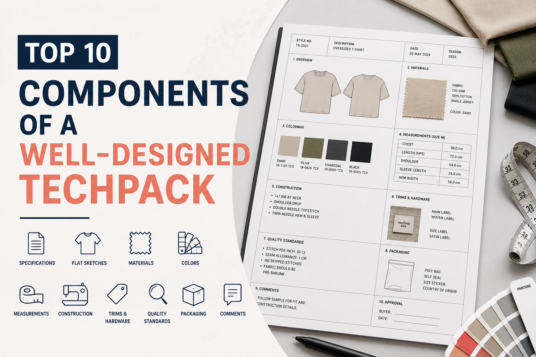
A detailed tech pack helps translate customer expectations into actual garments.
For example:
- Luxury buyers expect premium stitching details
- Activewear customers expect functionality
- Streetwear audiences care about fit and silhouette
- Sustainable customers value fabric transparency
A professional tech pack ensures your manufacturer understands exactly what your audience wants.
That’s why many growing brands work with experts like Tech Pack Genius to create accurate, production-ready fashion tech packs.
Conclusion
Finding your target audience is not about guessing.
It’s about listening carefully, studying behavior, testing ideas, and understanding human emotions behind fashion purchases.
The most successful fashion brands in the world are not just selling clothes.
They are selling identity.
When you truly understand your audience:
- Your marketing becomes easier
- Your products become stronger
- Your brand becomes memorable
- Your customers become loyal
Start small.
Research deeply.
Stay consistent.
And build a fashion brand people genuinely feel connected to.
That’s how real fashion businesses grow.
FAQs
1. What is a target audience in fashion?
A target audience is the specific group of people most likely to buy your fashion products based on style, lifestyle, age, interests, and buying behavior.
2. Why is finding a target audience important for clothing brands?
It helps improve marketing, branding, product design, customer loyalty, and advertising performance.
3. How do fashion startups identify their audience?
By researching competitors, studying trends, analyzing customer behavior, and testing products with real people.
4. Can a fashion brand have multiple target audiences?
Yes, but new brands should focus on one strong niche first before expanding.
5. Which platform is best for fashion audience research?
Instagram, TikTok, Pinterest, Reddit, and Google Trends are highly effective for fashion market research.
6. What is a customer persona in fashion?
A customer persona is a detailed profile of your ideal buyer, including demographics, interests, shopping behavior, and fashion preferences.
7. How do tech packs help fashion brands?
Tech packs help manufacturers understand garment details accurately, ensuring products match customer expectations and brand identity.
Table of Contents