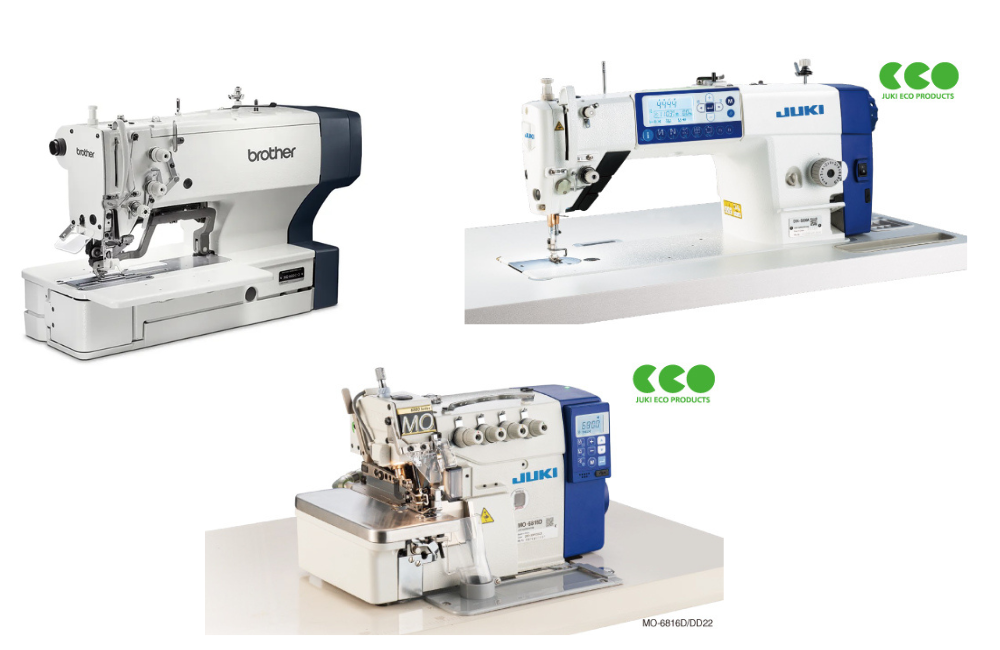
Best Sewing Machine: Complete Buying Guide for Beginners, Home Sewing & Professionals
Finding the best sewing machine can be surprisingly difficult. There are mechanical sewing machines, computerized models, heavy-duty machines, embroidery machines, sergers, industrial machines, and dozens of options at different price points.
The right choice depends less on buying the machine with the most stitches and more on understanding what you plan to sew, how frequently you will sew, your skill level, and your sewing machine budget.

Whether you are a beginner looking for an affordable sewing machine, an experienced sewist searching for a professional sewing machine, or simply comparing sewing machine price and features, this complete guide will help you choose confidently.
Quick Answer: What Is the Best Sewing Machine?
The best sewing machine is the one that matches your sewing projects, skill level, fabric types, frequency of use, and budget.
For basic alterations, repairs, garments, and home sewing, a reliable mechanical or computerized household machine is usually enough. If you regularly work with thick fabrics, a heavy-duty model may be more appropriate. For commercial garment production, a dedicated industrial or professional sewing machine is generally a better choice.
The most important factors to compare are:
- Machine type
- Stitch options
- Fabric handling
- Motor and sewing speed
- Build quality
- Ease of use
- Accessories
- Maintenance
- Warranty and service
- Sewing machine price
- Availability of spare parts and presser feet
Best Sewing Machines at a Glance
| Type | Best For | Typical Buyer |
|---|---|---|
| Mechanical sewing machine | Basic sewing and repairs | Beginners and occasional users |
| Computerized sewing machine | Convenience and creative sewing | Regular home sewists |
| Heavy-duty sewing machine | Denim and multiple fabric layers | Frequent or heavy-fabric users |
| Serger/overlock machine | Professional seam finishing | Garment makers |
| Embroidery machine | Decorative embroidery | Embroidery enthusiasts |
| Industrial sewing machine | High-volume production | Tailors and businesses |
| Professional sewing machine | Advanced and commercial work | Experienced sewists |
There is no single machine that is perfect for everyone. The top sewing machines for one person may be completely unsuitable for another.
How to Choose the Best Sewing Machine
Before comparing brands or looking at sewing machines for sale, start by identifying your actual requirements.
1. Decide What You Want to Sew
Your projects should determine the machine you buy.
If you primarily want to:
- Repair clothes
- Hem trousers
- Alter garments
- Sew simple dresses
- Make children’s clothing
- Create home décor
- Make quilts
- Sew denim
- Work with stretch fabrics
- Produce garments commercially
you may need very different machines.
For example, someone who only repairs clothing does not necessarily need an expensive computerized machine with hundreds of decorative stitches.
Someone creating garments every week may benefit from better stitch control, automatic features, and a stronger motor.
2. Choose Between Mechanical and Computerized
One of the biggest decisions when purchasing a sewing machine is choosing between mechanical and computerized operation.
Mechanical Sewing Machines
Mechanical machines use physical dials, knobs, and levers to control stitches and settings.
They are often attractive to buyers looking for a good sewing machine that is simple and relatively affordable.
Advantages:
- Simple controls
- Easy to understand
- Often less expensive
- Good for basic sewing
- Fewer electronic components
- Suitable for beginners
Disadvantages:
- Fewer automated functions
- Manual stitch selection
- Fewer convenience features
- Some adjustments require more experience
A mechanical machine can be an excellent choice if your priority is reliability, simplicity, and an affordable purchase price.
Computerized Sewing Machines
Computerized machines use electronic controls and often provide features such as automatic stitch selection, speed control, programmable settings, and automatic buttonholes.
They can be particularly useful for people who sew frequently and want more convenience.
Advantages:
- Easy stitch selection
- More stitch patterns
- Automatic features
- Precise settings
- Convenient buttonhole functions
- Useful for creative projects
Disadvantages:
- Usually more expensive
- More features to learn
- Electronic components can increase repair complexity
Neither type is automatically better. The right choice depends on your sewing style and requirements.
3. Consider the Fabrics You Will Sew
Fabric choice is one of the most important factors when selecting a sewing machine.
A machine designed primarily for lightweight household fabrics may not be the right choice for frequent sewing on:
- Denim
- Canvas
- Upholstery fabric
- Multiple fabric layers
- Heavy cotton
- Thick wool
- Leather
If you regularly sew thick materials, look for a machine specifically designed to handle heavier fabrics.
A good sewing machine should feed your intended fabrics smoothly without excessive vibration, skipped stitches, or unnecessary difficulty.
4. Understand Sewing Machine Stitches
Don’t choose a machine simply because it advertises hundreds of stitches.
For many everyday sewing projects, the most useful stitches include:
- Straight stitch
- Zigzag stitch
- Stretch stitch
- Blind hem stitch
- Overcasting stitch
- Buttonhole stitch
A machine with 1,000 decorative stitches isn’t necessarily better than a machine with 20 well-chosen stitches.
Think about useful stitches rather than impressive numbers.
5. Check Stitch Length and Width Adjustment
Adjustable stitch length and width provide greater control.
Different fabrics and sewing techniques may require different stitch settings. For example, lightweight fabrics, heavy fabrics, decorative sewing, and zigzag stitching can benefit from different adjustments.
If you want greater control over your sewing, prioritize machines that offer useful adjustment ranges rather than focusing solely on the number of built-in stitches.
6. Look at the Presser Feet
Presser feet can significantly expand what a sewing machine can do.
Common useful feet include:
- Zigzag foot
- Zipper foot
- Buttonhole foot
- Blind hem foot
- Overcasting foot
- Walking foot
- Quilting foot
- Rolled hem foot
Before purchasing, check which accessories are included and which must be purchased separately.
This is especially important when comparing sewing machine price because a machine with a lower upfront cost can become more expensive if you need to buy numerous accessories afterward.
7. Check the Sewing Speed
Sewing speed is usually measured in stitches per minute.
A higher maximum speed can be useful for experienced users who need to complete projects quickly.
However, speed isn’t everything.
Beginners may actually benefit from a machine with:
- Adjustable speed
- Smooth low-speed operation
- Responsive foot control
- Needle-stop functionality
For precision sewing, control can matter more than maximum speed.
8. Consider the Machine’s Build Quality
A sewing machine should feel stable while operating.
Pay attention to:
- Frame construction
- Machine weight
- Stability
- Motor performance
- Feed-dog movement
- Noise and vibration
- Quality of controls
A lightweight portable machine can be convenient, while a heavier machine may provide greater stability during demanding sewing.
The ideal choice depends on whether portability or stability matters more to you.
9. Look for a Good Needle and Bobbin System
Easy threading and bobbin loading can make sewing much less frustrating.
Useful features include:
- Easy bobbin insertion
- Clear bobbin cover
- Automatic needle threader
- Simple threading path
- Easy bobbin winding
- Easy access for cleaning
These may seem like small details, but they become important when you use your machine regularly.
10. Don’t Ignore the Warranty and Service Network
A sewing machine is a long-term purchase.
Before buying, investigate:
- Warranty duration
- Authorized service centers
- Availability of spare parts
- Replacement bobbins
- Presser feet
- Needles
- Motors
- Belts
- Manuals
- Customer support
A slightly more expensive machine from a brand with strong service support may be a better long-term purchase than a cheaper machine that is difficult to repair.
Best Sewing Machine Types for Different Users
Best Sewing Machine for Beginners
Beginners generally need a machine that is:
- Easy to thread
- Easy to operate
- Reliable
- Stable
- Capable of straight and zigzag stitching
- Reasonably priced
- Supported by good instructions
You don’t need hundreds of stitches to learn sewing.
A simple mechanical machine can be an excellent starting point, while an entry-level computerized machine may be preferable if you value automation and convenience.
Best Sewing Machine for Home Sewing
For regular home sewing, look for a versatile machine capable of handling common fabrics and garment projects.
Useful features include:
- Multiple stitch options
- Adjustable stitch length
- Adjustable stitch width
- Automatic buttonhole
- Free arm
- Easy bobbin system
- Good lighting
- Needle threader
- Multiple presser feet
The goal is versatility rather than unnecessary complexity.
Best Sewing Machine for Heavy Fabrics
If you regularly sew denim, canvas, or multiple layers, consider a heavy-duty sewing machine.
A machine intended for heavy fabrics should have appropriate construction and fabric-feeding capability.
Don’t assume that any machine marketed as “heavy duty” will perform equally well. Check the manufacturer’s specifications and reviews for the specific materials you intend to sew.
Best Professional Sewing Machine
A professional sewing machine is designed for users who need higher performance, durability, precision, or specialized capabilities.
Professional users may include:
- Tailors
- Dressmakers
- Fashion designers
- Sample makers
- Alteration businesses
- Clothing manufacturers
- Sewing professionals
For commercial garment production, specialized industrial machines can be preferable because different machines are optimized for different operations.
Best Sewing Machine for Garment Making
If your primary goal is making clothing, prioritize:
- Straight stitch quality
- Zigzag capability
- Buttonholes
- Seam finishing
- Adjustable stitch length
- Good fabric feeding
- Zipper capability
- Stretch-stitch capability
- Free-arm sewing
If you produce many garments, you may eventually benefit from adding a serger or overlock machine.
Do You Need a Serger?
A serger, also called an overlocker, is different from a conventional sewing machine.
It can trim fabric edges while enclosing them with thread, producing a professional-looking seam finish.
Sergers are particularly useful for:
- Knit garments
- Stretch fabrics
- Seam finishing
- High-volume garment sewing
- Professional-looking interiors
However, you don’t necessarily need one as your first machine. A standard sewing machine can perform most basic garment-construction tasks, while a serger adds specialized seam-finishing capabilities.
How Much Should You Spend on a Sewing Machine?
Your sewing machine budget should be based on how frequently you sew and what you need the machine to accomplish.
Instead of asking only, “What is the cheapest machine?”, ask:
“What machine gives me the features and reliability I need at a reasonable total cost?”
Budget Sewing Machines
If you’re looking for sewing machines affordable enough for occasional home use, focus on essential functions rather than decorative features.
A basic machine can be suitable for:
- Repairs
- Alterations
- Simple garments
- Household sewing
- Beginner practice
Mid-Range Sewing Machines
A mid-range machine can offer a better balance between features, durability, convenience, and price.
This category is often attractive to people who sew regularly but don’t need a commercial machine.
High-End and Professional Machines
Higher-priced machines can make sense when you:
- Sew frequently
- Need greater precision
- Work with demanding fabrics
- Run a sewing business
- Produce garments commercially
- Need specialized functions
The cheapest machine isn’t always the most economical machine over several years.
Sewing Machine Price: What Determines the Cost?
The sewing machine price can vary substantially depending on:
- Machine type
- Brand
- Construction
- Motor
- Number of stitches
- Automation
- Computerized controls
- Embroidery capability
- Included accessories
- Industrial specifications
- Warranty and service
When comparing the sewing machine rate, compare the complete package rather than only the machine’s advertised price.
A machine costing slightly more may provide better value if it includes useful accessories, stronger construction, and better service support.
Current Sewing Machine Examples
If you’re researching sewing machines for sale, current market options span from basic household machines to professional and industrial equipment.
For example, current listings include the Usha Allure Dlx, Usha New Marvela, Brother GS 2700, Singer HD 4323, Janome HD1000, and JUKI DDL-8700. Prices vary considerably by model and seller.
For instance, the current listings surfaced in this search range from entry-level household machines to industrial equipment, illustrating why comparing sewing machine price without considering machine type can be misleading.
Prices and availability can change, so always verify the current price, warranty, seller, and included accessories before purchasing.
Sewing Machine Sale: Should You Buy When Machines Are on Sale?
A sewing machine sale can be an excellent opportunity to save money, but a discount doesn’t automatically make a machine a good purchase.
When you see sewing machines on sale, compare:
- Original and current price
- Machine specifications
- Warranty
- Seller reputation
- Included accessories
- Availability of spare parts
- Return policy
- Customer reviews
- Your actual sewing requirements
A machine shouldn’t be purchased simply because the discount percentage looks attractive.
The best deal is the machine that provides the right combination of quality, features, reliability, and price.
Sewing Machine for Sale: New vs. Used
You’ll find both new and used sewing machine for sale listings.
Buying a New Sewing Machine
Advantages include:
- Manufacturer warranty
- New components
- Better return options
- Current accessories
- Lower risk of hidden wear
Buying a Used Sewing Machine
A used machine can be worthwhile if you inspect it carefully.
Check:
- Motor operation
- Stitch quality
- Bobbin mechanism
- Needle bar
- Feed dogs
- Foot pedal
- Electrical condition
- Noise
- Vibration
- Rust
- Missing accessories
For an expensive professional or industrial machine, having it inspected by a qualified technician can be worthwhile before purchase.
Common Sewing Machine Buying Mistakes
Buying Based Only on Price
The cheapest machine isn’t necessarily the best value.
Buying Too Many Features
More stitches don’t automatically mean better sewing.
Ignoring Your Fabric
A machine suitable for lightweight fabric may not be suitable for frequent denim or canvas sewing.
Choosing the Wrong Machine Type
A serger isn’t a replacement for a conventional sewing machine, and an industrial machine may be unnecessary for occasional home sewing.
Ignoring Service and Parts
A machine that is difficult to service can become frustrating and expensive over time.
Buying Without Testing
If possible, test the machine before purchasing it.
Sew several types of fabric and inspect:
- Stitch consistency
- Noise
- Vibration
- Thread tension
- Feeding
- Ease of operation
10 Features Worth Paying For
When comparing top sewing machines, these features can provide genuine practical value:
- Adjustable stitch length
- Adjustable stitch width
- Reliable straight stitch
- Zigzag stitch
- One-step buttonhole
- Easy bobbin system
- Needle threader
- Adjustable sewing speed
- Good presser-foot selection
- Strong customer support and parts availability
Not every buyer needs all ten.
The best feature set is the one that supports your projects.
Best Sewing Machine by Budget
| Budget Level | Best For | What to Prioritize |
|---|---|---|
| Entry-level | Beginners and occasional sewing | Simplicity and reliability |
| Budget | Basic garments and alterations | Essential stitches and good build |
| Mid-range | Regular home sewing | Versatility and convenience |
| Upper mid-range | Advanced sewing | Better controls and fabric handling |
| Professional | Commercial work | Durability and specialized functions |
| Industrial | High-volume production | Speed, precision and specialized operations |
These categories are more useful than assigning a single universal sewing machine rate, because prices vary by country, brand, retailer, machine type, and features.
How to Find a Good Sewing Machine
If you’re still unsure which machine to buy, use this simple checklist.
Step 1: Define Your Projects
Write down exactly what you want to sew.
Step 2: Identify Your Fabrics
Will you sew cotton, silk, denim, knits, canvas, or multiple layers?
Step 3: Set Your Budget
Decide how much you’re comfortable spending.
Step 4: Choose the Machine Type
Select mechanical, computerized, heavy-duty, serger, embroidery, or industrial based on your requirements.
Step 5: Compare Essential Features
Don’t get distracted by unnecessary features.
Step 6: Check Reviews
Look for reviews that discuss long-term use, not just first impressions.
Step 7: Check Service Availability
Make sure you can obtain parts and service.
Step 8: Compare Sellers
If you find several sewing machines for sale, compare the total package.
Step 9: Check the Warranty
Read the warranty terms before purchasing.
Step 10: Buy for Your Current and Near-Future Needs
Don’t buy a machine solely for projects you might never make.
Frequently Asked Questions
What is the best sewing machine for beginners?
The best sewing machine for beginners is usually a simple, reliable machine that is easy to thread and operate. A basic mechanical machine can be an excellent choice, while an entry-level computerized model can provide additional convenience.
How much does a good sewing machine cost?
The cost of a good sewing machine varies significantly depending on machine type, brand, features, and market. Entry-level machines can be relatively inexpensive, while computerized, heavy-duty, professional, and industrial machines can cost substantially more.
Is a cheap sewing machine worth buying?
Yes, if it matches your needs and comes from a reputable manufacturer or seller. For occasional alterations and basic sewing, an affordable sewing machine may be sufficient. Avoid choosing purely on the lowest price.
What is a good sewing machine for making clothes?
Look for a machine with reliable straight stitching, zigzag and stretch stitches, adjustable stitch length, good fabric feeding, buttonhole capability, zipper-foot compatibility, and suitable presser feet.
Is a computerized sewing machine better than a mechanical machine?
Not necessarily. Computerized machines offer convenience and automation, while mechanical machines can provide simplicity and direct manual control. Your sewing habits should determine which is better for you.
Do I need a professional sewing machine at home?
Usually not. A professional sewing machine makes more sense if you sew frequently, require advanced performance, or operate a sewing or garment-production business.
What should I look for when buying a sewing machine?
Focus on machine type, fabric capability, stitch quality, controls, build quality, accessories, service availability, warranty, and overall value rather than simply counting stitches.
Where can I find sewing machines on sale?
You can find sewing machines on sale through sewing-machine dealers, manufacturer stores, department stores, and online retailers. Compare specifications and warranty terms before buying.
Final Verdict: Choosing the Best Sewing Machine
The best sewing machine isn’t necessarily the most expensive, the fastest, or the model with the highest number of stitches.
It’s the machine that fits your sewing projects, fabric types, skill level, frequency of use, and budget.
For beginners, prioritize simplicity and reliability. For regular home sewists, look for versatility and useful convenience features. For heavy fabrics, choose an appropriately designed heavy-duty machine. For professional garment production, consider specialized professional or industrial equipment.
And when comparing sewing machine price, don’t look at the price tag alone. Consider build quality, included accessories, warranty, service, replacement parts, and how well the machine will serve you over several years.
A carefully chosen machine can become one of the most useful tools in your sewing room—whether you’re repairing clothes, making garments, quilting, designing fashion, or building a professional sewing business.
Ready for Production?
Get a professional tech pack for your fashion design.
Table of Contents