Tech Packs for Sportswear: What’s Different?
The $200 Mistake That Taught One Founder a Big Lesson
Picture this. A first-time activewear founder in Los Angeles spends six weeks designing a “revolutionary” seamless legging. She sends her factory a tech pack copied straight from a template she used for basic cotton t-shirts.
Three weeks later, 300 units arrive. The fabric pills after one wash. The waistband rolls down during squats. The seams chafe. Refunds pour in, and her Instagram comments turn brutal.
Nothing was wrong with her design idea. What went wrong was her tech pack — it simply wasn’t built for sportswear.
That one mix-up cost her more than money. It cost her customer trust, and in activewear, trust is everything.
So, What Exactly Is a Tech Pack?

If you’re new to fashion production, let’s keep it simple.
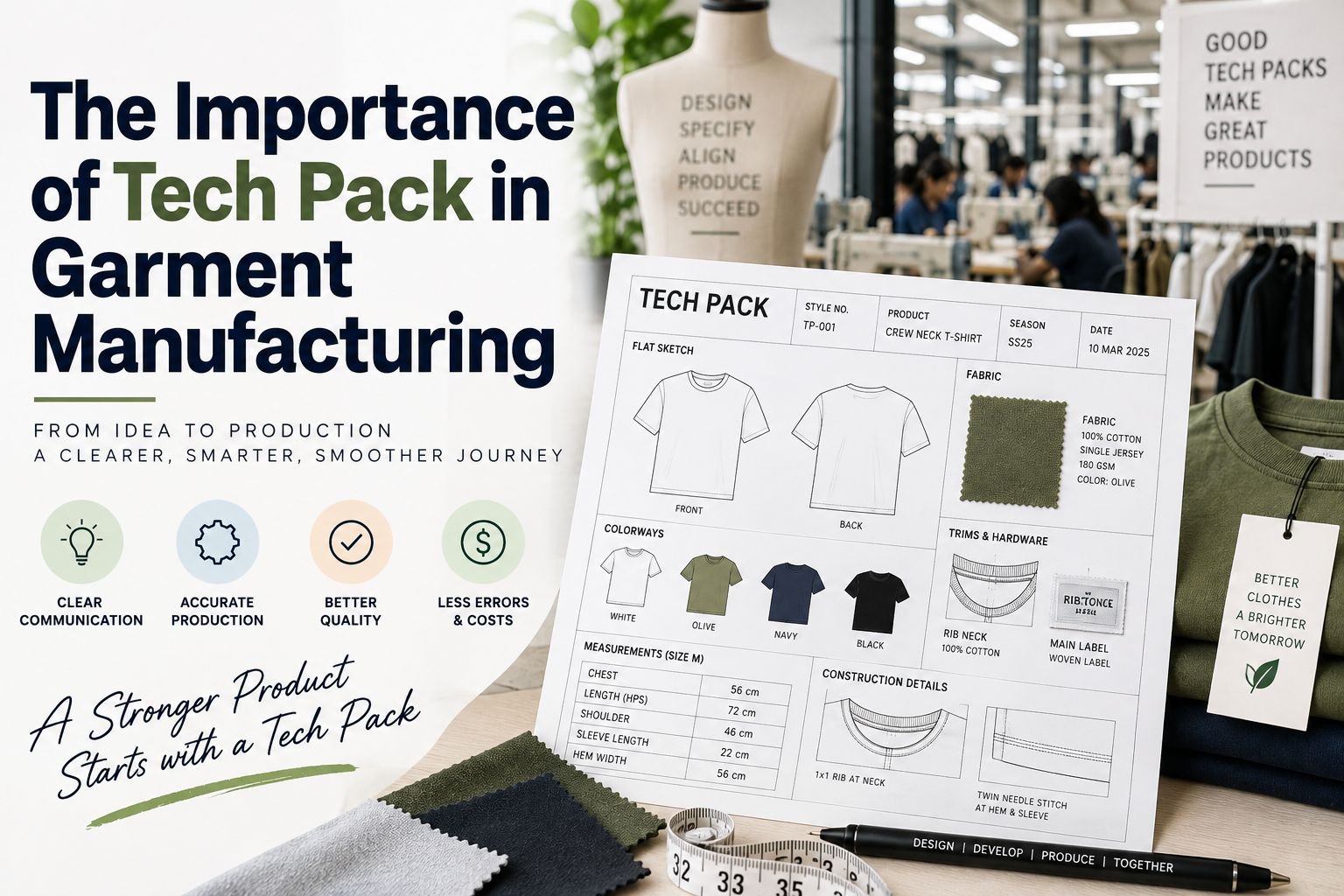
A tech pack is basically the “instruction manual” you send to a factory so they can manufacture your garment exactly the way you imagined it. Think of it like a blueprint an architect gives a construction crew — except instead of a building, you’re building a hoodie, a sports bra, or a pair of joggers.
A good tech pack includes:
- Flat sketches (front and back views)
- Measurements for every size
- Fabric and material details
- Stitching and construction instructions
- Trims, labels, and hardware specs
- Color codes and print/embroidery placement
Without a proper tech pack, your factory is basically guessing. And guessing is expensive.
Why Sportswear Tech Packs Are a Completely Different Ballgame
Regular streetwear or basic apparel tech packs focus mostly on fit, print placement, and fabric weight.
Sportswear is a different beast entirely. It has to perform under pressure — literally. Your customer will run in it, sweat in it, stretch in it, and wash it constantly.
That means your tech pack needs to speak a more technical language. Let’s break down exactly what changes.
1. Fabric Specifications Get Way More Detailed
For a basic cotton tee, you might just note “180 GSM combed cotton.” Simple.
For sportswear, your factory needs to know:
- Stretch percentage (2-way or 4-way stretch)
- Moisture-wicking properties
- Compression level (for leggings, base layers)
- Breathability rating
- Anti-odor or antimicrobial finish
- UV protection (UPF rating) for outdoor performance wear
For example, a running t-shirt brand competing with Nike Dri-FIT or Under Armour’s HeatGear needs to specify exact polyester-spandex blends (like 88% polyester/12% spandex) along with wicking finish details. Miss this, and your “performance fabric” might just feel like a regular polyester shirt that traps sweat.
Beginner tip: GSM means “grams per square meter” — it tells you how thick or heavy a fabric is. Lower GSM (130-160) is common for lightweight running gear. Higher GSM (220+) suits fleece hoodies or joggers.
2. Seam Construction Becomes Mission-Critical
In casual wear, a standard seam is fine. In sportswear, the wrong seam can cause chafing, irritation, or even garment failure during movement.
Your tech pack must specify:
- Flatlock stitching — reduces chafing, common in leggings and sports bras
- Bonded/seamless construction — for ultra-smooth, chafe-free zones
- Reinforced stress points — underarms, crotch gusset, knee areas
- Four-needle or cover-stitch details for stretch recovery
A yoga brand founder once told me her first factory sample used regular overlock seams on leggings. Customers complained about itchy inner-thigh seams within days. Switching to flatlock stitching (and specifying it clearly in the tech pack) solved it completely.
3. Fit and Pattern Grading Needs Sport-Specific Logic
Sportswear isn’t just “smaller, medium, larger.” Movement changes everything.
Your tech pack should include:
- Body movement allowances (extra room at knees, shoulders, hips for stretching)
- Negative ease specs for compression garments (the garment is intentionally smaller than the body to create compression)
- 4-way grading across multiple stretch directions, not just standard grading rules
For example, a compression legging brand in Australia might specify negative ease of 5-8% smaller than actual body measurements at the thigh and calf — this creates that snug, supportive compression feel without restricting circulation.
Beginner tip: “Ease” refers to the extra (or reduced) room built into a garment compared to actual body measurements. Positive ease = looser. Negative ease = tighter, common in compression wear.
4. Functional Trims and Hardware Get Their Own Spotlight
Casual wear tech packs might mention a button or a zipper. Sportswear tech packs need way more detail because functional trims directly affect performance.
Common sportswear-specific trims include:
- Reflective tape for running/cycling gear (safety in low light)
- Laser-cut ventilation panels instead of stitched mesh
- Silicone grippers on waistbands or hems (keeps leggings from riding up)
- Drawcords with cord locks for adjustable fit
- Thumbholes in sleeves for base layers
- Zippered security pockets for phones or keys during workouts
A running brand in the UK, for instance, might specify exact reflective tape placement (back of calves, side seams) because visibility during early morning runs is a real safety concern, not just a design choice.
5. Print and Logo Placement Must Account for Stretch
This one surprises a lot of new founders. A logo that looks perfect on a flat mock-up can distort badly once the fabric stretches during a workout.
Your tech pack should specify:
- Print type suited for stretch fabric (plastisol prints crack on 4-way stretch fabric — water-based or sublimation prints are safer choices)
- Placement avoiding high-stretch zones (like the back of knees on leggings)
- Heat transfer temperature limits (too much heat can damage technical fabrics)
I’ve seen brands print bold logos across the chest of compression tops, only to find the design warping every time the customer takes a deep breath during a workout. A quick sublimation-print swap fixed it.
6. Wash and Care Testing Gets More Rigorous
Basic apparel might need a standard wash care label. Sportswear needs to survive frequent, intense washing without losing shape or performance.
Your tech pack should reference:
- Colorfastness testing after multiple wash cycles
- Shrinkage tolerance (should be under 3% for performance fabrics)
- Elastic recovery testing (does the fabric snap back after stretching repeatedly?)
- Pilling resistance especially for fleece and brushed fabrics
Many activewear brands now request a minimum of 20-30 wash cycle testing before approving bulk production — far more rigorous than typical fashion basics.
A Quick Comparison: Basic Apparel Tech Pack vs. Sportswear Tech Pack
| Element | Basic Apparel Tech Pack | Sportswear Tech Pack |
|---|---|---|
| Fabric details | GSM, fiber content | GSM, stretch %, wicking, compression, UPF |
| Seams | Standard overlock | Flatlock, bonded, reinforced stress points |
| Fit | Standard grading | 4-way stretch grading, negative ease |
| Trims | Buttons, zippers | Reflective tape, grippers, thumbholes, ventilation |
| Standard placement | Stretch-safe placement and print type | |
| Testing | Basic wash care | Wash cycle, shrinkage, elastic recovery testing |
Real Examples From Global Activewear Brands
Let’s look at how this plays out in the real world:
- Gymshark (UK) built its early reputation on seamless leggings with precise compression mapping — a detail that had to be nailed in the tech pack before any factory could replicate it accurately.
- Fabletics (US) uses detailed moisture-management specs across its collections because customers expect performance, not just style, at a mid-range price point.
- Decathlon (France) is known for extremely detailed technical specs in even its budget-friendly activewear lines, which is part of why their performance gear consistently outperforms price expectations.
The common thread? None of these brands got there with vague, copy-paste tech packs. Every performance detail was documented clearly before it reached a factory floor.
Practical Tips You Can Apply Today
If you’re building a sportswear or activewear brand, here’s what to do right now:
- Never reuse a basic apparel tech pack template for performance wear. Build a separate template with fabric performance fields.
- Always specify stretch direction and percentage — 2-way vs 4-way stretch changes everything about fit and movement.
- Call out seam types explicitly — don’t assume your factory will “know” to use flatlock stitching.
- Test prints on stretched fabric samples, not just flat mock-ups, before approving bulk printing.
- Request wash-cycle testing reports before finalizing fabric choice, especially for leggings, sports bras, and compression wear.
- Work with factories experienced in activewear specifically — a factory great at woven shirts may not understand technical knits.
- Get a sample (proto/fit sample) before bulk production, every single time. Sportswear fit issues are much harder (and pricier) to fix after mass production.
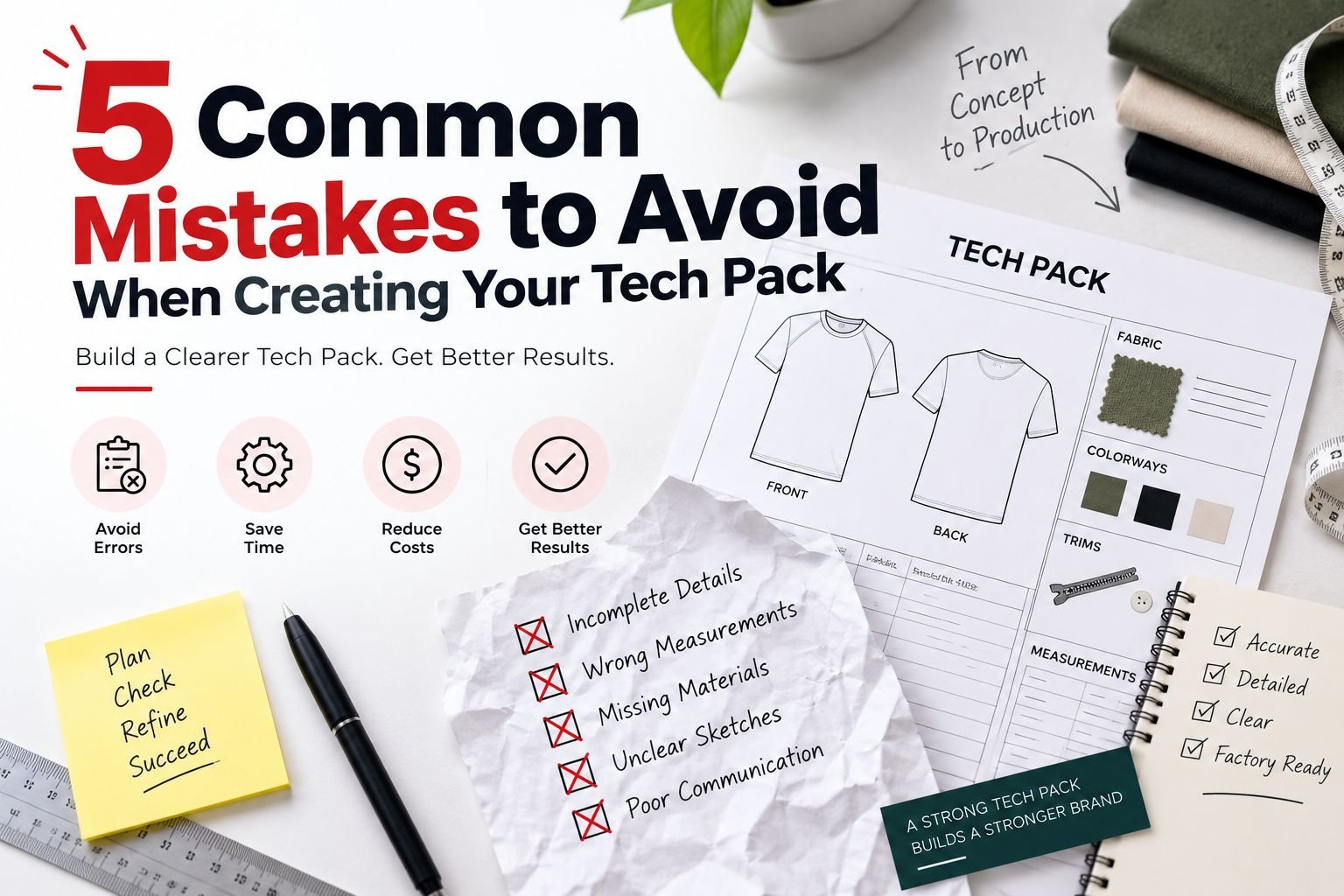
Common Beginner Mistakes to Avoid
- Assuming all polyester fabric behaves the same way (moisture-wicking finishes vary drastically by supplier)
- Forgetting to specify elastic recovery, leading to leggings that sag after a few wears
- Placing logos in high-stretch zones without stretch-safe printing methods
- Skipping wash-testing to save time, then facing shrinkage complaints post-launch
- Using vague terms like “stretchy fabric” instead of exact stretch percentages
Why This Matters More Than Ever in 2026
The global activewear market keeps growing as more people blend fitness into daily life — home workouts, hybrid gym-to-street fashion, and athleisure as everyday wear. Buyers today are more educated than ever; they know the difference between real performance fabric and a shirt that just “looks” athletic.
That means the brands that win aren’t necessarily the ones with the flashiest marketing. They’re the ones whose products actually perform — and that performance starts with a technically accurate tech pack, long before a single unit reaches production.
Final Thoughts: Your Tech Pack Is Your Silent Sales Rep
Your sportswear tech pack isn’t just a manufacturing document. It’s the difference between a customer who becomes a repeat buyer and one who leaves a one-star review about pilling fabric or sagging waistbands.
If you’re serious about building an activewear or performance apparel brand, invest the extra time (or get expert help) to build a tech pack that speaks the technical language your factory needs to understand. It’s a small upfront investment that saves you from expensive, reputation-damaging mistakes down the road.
Your customers will feel the difference in every squat, sprint, and stretch — and so will your bottom line.
Frequently Asked Questions
1. What makes a sportswear tech pack different from a regular clothing tech pack? Sportswear tech packs include detailed specs on fabric stretch, moisture-wicking, seam construction (like flatlock stitching), compression fit, and functional trims like reflective tape — details basic apparel tech packs usually don’t need.
2. Do I need to test fabric before finalizing my sportswear tech pack? Yes. It’s smart to request wash-cycle testing, shrinkage results, and elastic recovery testing from your fabric supplier before locking in your final tech pack specs.
3. What is flatlock stitching, and why does it matter for activewear? Flatlock stitching creates a flat, smooth seam instead of a raised one, reducing chafing and irritation — especially important for leggings, sports bras, and base layers worn during intense movement.
4. Can I use the same tech pack template for leggings and t-shirts? No. Leggings need compression and negative-ease specifications, while t-shirts usually don’t. Each garment type within your sportswear line may need slightly adjusted templates.
5. Why did my printed logo look distorted after production? This usually happens when a stretch-unsuitable print method (like plastisol) is used on 4-way stretch fabric, or when logos are placed in high-stretch zones. Specify stretch-safe printing methods and placement in your tech pack.
6. How much does a professional sportswear tech pack cost? Pricing varies, but many tech pack services (including TechPackGenius) offer sportswear-ready tech packs starting around $149, with factory-ready specs delivered within 72 hours.
7. Do factories reject vague tech packs? Not always outright, but vague tech packs lead to guesswork, which usually results in fit issues, fabric mismatches, or production delays — costing you time and money you didn’t plan for.
Ready to launch a performance-ready activewear line without the guesswork? TechPackGenius specializes in factory-ready tech packs — including sportswear and technical apparel — starting at just $149, with 72-hour turnaround and unlimited revisions. Let’s build a tech pack that performs as hard as your customers do.
Ready for Production?
Get a professional tech pack for your fashion design.
Table of Contents