What You Need to Know Before Starting a Clothing Brand
Starting a clothing brand looks exciting from the outside.
You imagine your logo on hoodies, customers posting your products on Instagram, and orders coming in from around the world. But behind every successful fashion brand is something most people never see — planning, systems, product development, branding, and countless mistakes.
Many people jump into fashion because they love clothes.
But fashion is not just about creativity anymore. It is a business. And if you do not understand the business side before launching, even great designs can fail.
Whether you want to build a luxury fashion label, a streetwear brand, a modest fashion line, activewear collection, or print-on-demand business, this guide will help you understand what truly matters before you begin.
Why Most Clothing Brands Fail in the First Year
The harsh truth?
Most clothing brands do not fail because of bad designs.
They fail because founders start without understanding manufacturing, branding, pricing, product quality, marketing, customer psychology, or production planning.
A lot of beginners think:
- “I just need a logo.”
- “I’ll post on Instagram and customers will come.”
- “Fashion brands make huge profits quickly.”
But the global apparel market is highly competitive.
Today, customers compare your brand with international names instantly. Your website, product quality, packaging, fit, photos, and social media all influence trust.
The good news is this:
You do not need millions to start.
But you do need clarity.
1. Understand Why You Want to Start a Clothing Brand
This sounds simple, but it changes everything.
Are you starting because:
- You love fashion?
- You want financial freedom?
- You want to build a lifestyle brand?
- You want to solve a market gap?
- You want to create a community?
- You want passive income through POD?
Your reason will shape your entire business model.
For example:
A luxury fashion label needs premium branding, storytelling, and high-quality production.
A print-on-demand brand focuses more on design trends and digital marketing.
A streetwear brand often succeeds through culture, exclusivity, and community.
Before spending money, define your purpose clearly.
2. Choose the Right Fashion Niche
One of the biggest mistakes beginners make is trying to sell everything.
If your brand sells:
- Hoodies
- Sarees
- Gym wear
- Formal shirts
- Jewelry
- Shoes
…customers become confused.
Successful brands are usually known for one strong identity first.
Examples from global markets:
- Gymshark became famous for gym wear.
- Fear of God built a strong streetwear identity.
- Lululemon focused heavily on premium activewear.
- Shein scaled through trend-driven affordable fashion.
Ask yourself:
What specific audience do I want to serve?
Possible niches include:
- Streetwear
- Luxury fashion
- Sustainable clothing
- Modest fashion
- Athleisure
- Kidswear
- Minimal fashion
- Plus-size apparel
- Anime fashion
- Gym wear
- Resort wear
- POD merchandise
The clearer your niche, the easier your marketing becomes.
3. Learn the Difference Between Fashion Brand and Clothing Business
Many people confuse these two.
A clothing business sells products.
A fashion brand sells identity, emotion, and lifestyle.
Customers buy from brands because they connect emotionally.
For example:
People do not buy sneakers only for comfort.
They buy confidence, culture, status, or belonging.
That is why branding matters deeply.
Your brand needs:
- A strong visual identity
- A unique voice
- Consistent aesthetics
- Clear customer positioning
- Emotional storytelling
This is what separates forgettable brands from iconic ones.
4. Product Quality Matters More Than Marketing
You can run amazing ads.
You can create viral reels.
You can hire influencers.
But if customers receive poor-quality products, your brand dies quickly.
Modern consumers leave reviews fast.
One bad experience can spread instantly online.
Before launching, understand:
- Fabric quality
- GSM (fabric thickness)
- Stitching quality
- Fit consistency
- Printing methods
- Wash durability
- Sizing standards
Even beginners should learn basic garment production terminology.
For example:
What is GSM?
GSM means “grams per square meter.”
It helps measure fabric thickness.
- 180 GSM = lighter fabric
- 300 GSM = thicker premium hoodie fabric
Understanding these basics helps you avoid costly manufacturing mistakes.
5. You Need Tech Packs Before Manufacturing
This is one of the most important things new founders ignore.
A tech pack is the blueprint of your garment.
It tells manufacturers exactly how your product should be made.
Without a proper tech pack:
- Sizes become inconsistent
- Fabrics get mixed up
- Measurements go wrong
- Production mistakes increase
- Costs rise
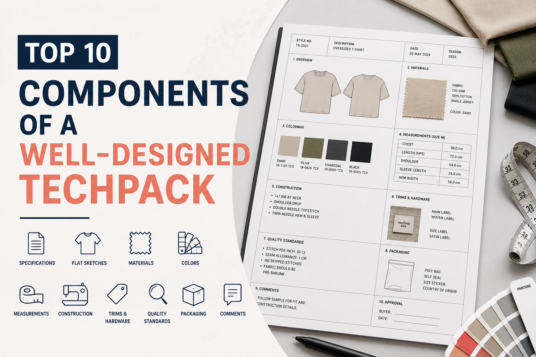
A professional tech pack usually includes:
- Flat sketches
- Measurements
- Fabric details
- Color references
- Stitch details
- Trims information
- Print placements
- Label instructions
Think of it like architecture drawings before building a house.
No serious manufacturer wants unclear instructions.
That is why many global fashion startups use professional tech pack services before production begins.
6. Manufacturing Is More Difficult Than Instagram Makes It Look
Social media often glamorizes fashion entrepreneurship.
But real manufacturing comes with challenges like:
- Minimum order quantities (MOQs)
- Delayed production
- Fabric sourcing issues
- Color mismatches
- Poor stitching quality
- Shipping delays
- Sampling costs
For example:
A manufacturer may require 100–300 pieces minimum per color.
This becomes expensive for beginners.
That is why many startups begin with:
- Print-on-demand
- Small batch production
- Private labeling
- Local manufacturing
- Pre-orders
Start lean.
You do not need massive inventory on day one.
7. Pricing Your Products Correctly Is Critical
Many new founders underprice products.
They only calculate manufacturing costs.
But fashion pricing includes:
- Packaging
- Shipping
- Marketing
- Returns
- Website costs
- Photography
- Taxes
- Influencer campaigns
- Platform fees
Example:
If a hoodie costs $15 to manufacture, your real business cost may become $35–40 after everything else.
Healthy pricing keeps your business sustainable.
Do not compete only on cheap prices.
Compete on value and brand identity.
8. Your Brand Needs a Strong Identity Online
Today, your website and Instagram page act like your storefront.
If your branding looks inconsistent, customers lose trust quickly.
Before launch, focus on:
Brand Identity Essentials
- Professional logo
- Consistent color palette
- High-quality product photos
- Clear typography
- Strong website design
- Brand storytelling
- Packaging experience
Customers should instantly understand:
“What makes this brand different?”
Even small fashion brands can look premium with strong branding.
9. Content Marketing Is the New Fashion Show
In the past, fashion brands depended heavily on retail stores.
Today, content drives attention.
Your content strategy can include:
- Styling videos
- Behind-the-scenes production
- Fashion education
- Fabric comparisons
- Founder journey
- Customer transformations
- Outfit inspiration
- Street-style shoots
Platforms like:
…have become powerful growth engines for fashion startups.
People buy from brands they repeatedly see and trust.
10. Fashion Trends Change Fast — But Brand Values Last
Trends help you gain attention.
But values build loyal customers.
Ask yourself:
What does your brand stand for?
Examples:
- Sustainability
- Minimalism
- Confidence
- Culture
- Comfort
- Inclusivity
- Luxury craftsmanship
Strong values create emotional connection.
That emotional connection creates repeat customers.
11. Build Systems Before Scaling
Many clothing brands grow too quickly and collapse.
Why?
Because they lack systems.
Before scaling, organize:
- Supplier management
- Inventory tracking
- Customer support
- Returns process
- Shipping workflow
- Content calendar
- Financial tracking
A small organized brand can outperform a larger chaotic one.
12. Start Small, Learn Fast, Improve Constantly
One of the biggest myths in fashion is:
“Everything must be perfect before launch.”
That is not true.
Most successful brands improved after launching.
Your first collection teaches you:
- What customers actually want
- Which products sell best
- Which fabrics customers love
- Which ads perform well
- What pricing works
Progress matters more than perfection.
Practical Tips Before Launching Your Clothing Brand
Here are some beginner-friendly tips you can apply immediately:
Start With 3–5 Strong Products
Avoid launching 50 products initially.
Focus on quality over quantity.
Order Samples First
Never start bulk production without testing samples.
Invest in Professional Tech Packs
Clear production instructions save money and prevent mistakes.
Study Competitors
Analyze global brands in your niche carefully.
Build Audience Before Launch
Start creating content early.
Focus on Repeat Customers
Repeat buyers build long-term profits.
Learn Basic Fashion Business Terms
Understand concepts like:
- MOQ
- GSM
- Tech Pack
- Sampling
- Grading
- Cut & Sew
- POD
- Private Label
These terms help you communicate professionally with manufacturers.
Final Thoughts
Starting a clothing brand can completely change your life.
But fashion rewards builders who combine creativity with business strategy.
The brands that survive long-term are not always the most creative.
They are usually the most consistent, customer-focused, and operationally strong.
Do not rush production.
Do not copy trends blindly.
Do not build only for likes.
Build a brand people genuinely trust.
Start small.
Learn constantly.
Improve every collection.
And most importantly — create something people emotionally connect with.
Because in fashion, emotion sells more than fabric.
FAQs
1. How much money do I need to start a clothing brand?
It depends on your business model. Print-on-demand brands can start with very low investment, while custom manufacturing requires more budget for sampling and production.
2. What is a tech pack in fashion?
A tech pack is a detailed document that explains how a garment should be manufactured, including measurements, fabrics, colors, stitching, and design details.
3. Should I start with print-on-demand or manufacturing?
Beginners often start with print-on-demand because it reduces inventory risk. Manufacturing offers more customization but requires higher investment.
4. How do I find clothing manufacturers?
You can find manufacturers through sourcing platforms, trade shows, local garment hubs, referrals, or professional apparel development agencies.
5. How important is branding for clothing businesses?
Branding is extremely important. Customers buy identity and emotion, not just clothing products.
6. What are the biggest mistakes new fashion brands make?
Common mistakes include poor quality control, weak branding, bad pricing, skipping tech packs, and launching too many products at once.
7. Can I start a clothing brand without fashion experience?
Yes. Many successful founders started without formal fashion education. The key is learning consistently and building strong systems.
Table of Contents