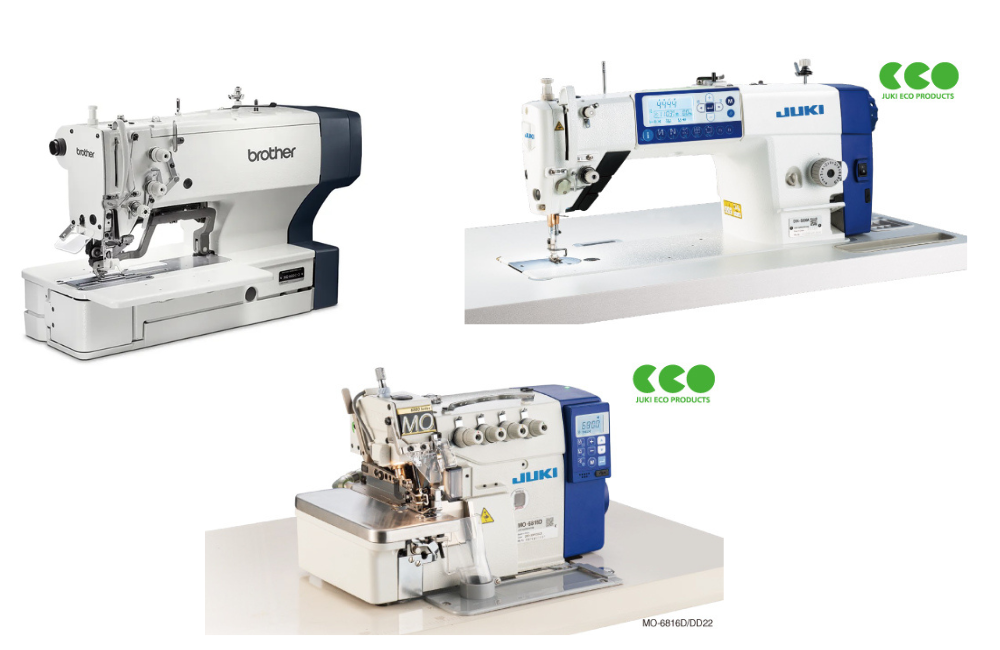
High Speed Sewing Machine: Complete Guide for Fast and Professional Sewing
A high speed sewing machine is designed for fast, accurate, and continuous sewing. It is widely used in garment factories, tailoring businesses, clothing manufacturers, and professional sewing workshops where productivity and consistent stitch quality are important.
Unlike a regular domestic sewing machine, a high speed machine is built to operate at much higher speeds and handle long hours of sewing. Most models are designed for straight stitching and are commonly used for shirts, trousers, dresses, uniforms, bedsheets, and many other textile products.
If you are looking for a fast sewing machine for professional garment production, understanding the different types, features, benefits, and applications can help you choose the right machine.
What Is a High Speed Sewing Machine?
A high speed sewing machine is an industrial sewing machine designed to produce stitches quickly while maintaining consistent stitch quality.
These machines are generally equipped with powerful motors, durable internal components, and mechanisms designed for continuous operation. Many industrial models can sew several thousand stitches per minute, depending on the machine type, material, and operating conditions.
A typical high speed machine is designed for straight stitching and is often used for joining fabric panels, attaching components, making seams, and completing general garment construction.
Because of their speed and durability, they are especially useful when large quantities of garments need to be produced efficiently.
What Is a High Speed Stitching Machine?
A high speed stitching machine is another common name for an industrial sewing machine designed for rapid stitching.
The terms sewing machine and stitching machine are often used interchangeably in the garment industry. A high speed stitching machine usually focuses on producing straight, consistent stitches at a high production rate.
These machines are particularly useful for:
- Shirt manufacturing
- Trouser manufacturing
- T-shirt production
- Uniform production
- Garment factories
- Home textile production
- Tailoring businesses
- Sample development
- General garment assembly
For businesses producing garments in larger quantities, a high speed stitching machine can significantly improve productivity compared with a basic domestic sewing machine.
How Does a High Speed Sewing Machine Work?
The basic sewing process is similar to other lockstitch sewing machines.
The machine uses a needle and thread to create stitches through the fabric. The needle moves up and down while the feed mechanism moves the fabric underneath the presser foot.
In a typical industrial machine:
- The operator places the fabric under the presser foot.
- The needle penetrates the fabric.
- The upper thread passes through the fabric.
- The bobbin mechanism creates the lockstitch.
- The feed dogs move the fabric forward.
- The needle repeats the process at high speed.
- A continuous and consistent seam is produced.
The machine’s motor and mechanical components allow this process to happen thousands of times per minute.
High Speed Straight Stitch Sewing Machine
A high speed straight stitch sewing machine is one of the most commonly used industrial sewing machines in garment manufacturing.
As the name suggests, it is primarily designed to create straight lockstitches. It is ideal for general-purpose sewing where a clean and strong straight seam is required.
Common applications include:
- Side seams
- Shoulder seams
- Sleeve construction
- Collar preparation
- Cuff construction
- Pocket attachment
- Waistband sewing
- Garment panel joining
- Label attachment
For many clothing manufacturers, a high speed straight stitch sewing machine is one of the first industrial machines purchased because it can perform a wide range of basic garment construction operations.
What Is a Single Needle Sewing Machine?
A single needle sewing machine uses one needle to create a standard stitch line. In industrial garment production, single needle machines are commonly used for general-purpose lockstitch sewing.
A single needle machine can provide accurate and clean stitching, making it suitable for many different garment components.
It is commonly used for:
- Woven shirts
- Pants
- Dresses
- Jackets
- Uniforms
- Workwear
- Home textiles
- Fashion samples
Single needle machines are also useful during sample development because designers and manufacturers often need precise control over individual seams and construction details.
High Speed Sewing Machine vs Regular Sewing Machine
One of the biggest differences between an industrial high speed sewing machine and a domestic sewing machine is the way they are designed to operate.
| Feature | High Speed Sewing Machine | Regular Sewing Machine |
|---|---|---|
| Primary use | Professional production | Home and light sewing |
| Sewing speed | High | Moderate |
| Continuous operation | Designed for it | Limited |
| Motor | Powerful industrial motor | Smaller motor |
| Durability | High | Moderate |
| Production volume | Medium to high | Low |
| Stitch consistency | Excellent | Good |
| Typical users | Factories and professionals | Home users and hobbyists |
A domestic machine can be suitable for occasional sewing, repairs, and small projects. However, manufacturers producing garments commercially generally need the higher productivity and durability of an industrial machine.
What Is a Metal Stitching Machine?
The term metal stitching machine can sometimes be confusing because it may refer to different types of sewing equipment depending on the context.
In garment manufacturing, industrial sewing machines are commonly built with strong metal frames and internal components to withstand continuous operation.
When someone searches for a metal stitching machine, they may be looking for a durable industrial sewing machine with a heavy-duty construction rather than a machine specifically designed to sew metal.
A conventional garment sewing machine is designed primarily for textiles such as:
- Cotton
- Polyester
- Linen
- Denim
- Canvas
- Wool
- Synthetic fabrics
- Blended fabrics
If you need to sew extremely heavy materials or non-textile materials, you should choose a machine specifically engineered for that application.
Benefits of Using a High Speed Sewing Machine
1. Faster Production
The biggest advantage of a fast sewing machine is increased production speed.
When operators can complete seams more quickly, manufacturers can produce more garments within the same working period.
2. Consistent Stitch Quality
Industrial machines are designed to maintain consistent stitch formation during continuous operation.
This is important when manufacturing hundreds or thousands of garments that need to meet the same quality standards.
3. Better Productivity
A high speed machine can help reduce the amount of time required for repetitive sewing operations.
Higher productivity can be particularly valuable for garment factories working with strict production deadlines.
4. Built for Long Working Hours
Industrial sewing machines are designed for demanding working environments. Their construction and motors are generally more suitable for continuous professional use than domestic machines.
5. Accurate Straight Stitching
A high speed straight stitch sewing machine provides precise straight seams, making it suitable for many basic garment construction processes.
6. Professional Finish
Consistent stitch length and controlled sewing can help garments achieve a cleaner and more professional appearance.
What Fabrics Can a High Speed Sewing Machine Sew?
The exact fabric capability depends on the machine and needle configuration.
Many standard industrial single needle machines are suitable for light- to medium-weight fabrics such as:
- Cotton
- Poplin
- Polyester
- Linen
- Rayon
- Lightweight denim
- Blended fabrics
- Shirting fabrics
For heavier materials such as thick denim, canvas, leather, or upholstery fabrics, a specialized heavy-duty industrial machine may be more appropriate.
The correct combination of needle size, thread, presser foot, tension, and machine settings is important for achieving good results.
How Fast Is a High Speed Sewing Machine?
The maximum speed varies between models and manufacturers.
Some industrial single needle lockstitch machines can reach several thousand stitches per minute. However, the actual operating speed depends on:
- Fabric type
- Fabric thickness
- Seam construction
- Thread type
- Needle size
- Operator skill
- Machine condition
- Required stitch quality
Maximum speed should not always be treated as the most important specification.
For garment manufacturing, the best machine is one that provides a good balance between speed, stitch quality, reliability, operator control, and maintenance.
How to Choose the Right High Speed Sewing Machine
Before purchasing a high speed stitching machine, consider the following factors.
Machine Speed
Check the machine’s maximum stitches-per-minute specification, but also consider its practical operating speed.
Stitch Type
For general garment construction, a single needle lockstitch machine is often suitable.
Fabric Weight
Choose a machine according to the fabrics you plan to sew. Light and medium-weight fabrics require different configurations from heavy materials.
Motor Type
Modern industrial sewing machines may use energy-efficient servo motors that provide better speed control and can reduce energy consumption compared with traditional clutch motors.
Stitch Length
Check the available stitch-length range and whether it suits your garment construction requirements.
Automatic Functions
Some modern machines include automatic thread trimming, needle positioning, backtack functions, and other features that can improve productivity.
Maintenance
Consider spare-parts availability, servicing requirements, lubrication, and technical support before buying.
High Speed Sewing Machine for Garment Manufacturing
Garment manufacturers use high speed machines for many basic sewing operations.
For example, a shirt production line may use a single needle machine for several operations, including joining panels, attaching collars, sewing cuffs, and completing other straight seams.
However, a complete garment production line usually requires more than one type of machine.
Depending on the product, manufacturers may also use:
- Overlock machines
- Coverstitch machines
- Buttonhole machines
- Button attaching machines
- Bartack machines
- Blind stitch machines
- Chain stitch machines
- Specialized automatic machines
The right combination depends on the garment design, construction method, fabric, production volume, and required finish.
High Speed Sewing Machine Maintenance Tips
Regular maintenance is essential for keeping an industrial machine running efficiently.
Clean the Machine Regularly
Remove lint, dust, and thread waste from areas around the feed dogs, bobbin, needle plate, and other accessible components.
Lubricate as Recommended
Follow the manufacturer’s lubrication instructions. Proper lubrication helps reduce friction and wear.
Replace Damaged Needles
A bent, blunt, or damaged needle can cause skipped stitches, fabric damage, thread breakage, and poor seam quality.
Check Thread Tension
Incorrect tension can result in loose stitches, tight stitches, looping, or uneven seams.
Inspect the Bobbin Area
Keep the bobbin and hook area clean and properly adjusted.
Service the Machine
Professional servicing can help identify mechanical problems before they become major production issues.
Common Problems With High Speed Sewing Machines
Even a good high speed sewing machine can develop problems if it is incorrectly adjusted or poorly maintained.
Common issues include:
- Thread breaking
- Needle breaking
- Skipped stitches
- Uneven stitch length
- Fabric puckering
- Excessive noise
- Machine vibration
- Poor thread tension
- Bobbin problems
- Irregular seam formation
Many of these issues can be caused by incorrect needle selection, thread tension, machine settings, worn components, or unsuitable sewing speed.
Is a High Speed Sewing Machine Worth Buying?
For professional garment production, a high speed sewing machine can be a valuable investment.
If you regularly sew large quantities of garments, an industrial machine can provide advantages in productivity, durability, and stitch consistency.
For occasional home sewing, however, a high speed industrial machine may not be necessary. A domestic or semi-industrial machine can often provide sufficient performance for smaller projects.
The right choice ultimately depends on your production volume, fabric type, sewing operations, budget, and business requirements.
Final Thoughts
A high speed sewing machine is an important piece of equipment for professional garment manufacturing. Its combination of speed, durability, and consistent stitching makes it suitable for repetitive sewing operations and high-volume production.
A single needle sewing machine or high speed straight stitch sewing machine can handle many essential garment construction processes, particularly when working with light- to medium-weight woven fabrics.
If your goal is to increase production capacity, improve consistency, and reduce sewing time, investing in the right fast sewing machine can make a significant difference. However, machine speed should always be considered alongside stitch quality, fabric compatibility, operator control, maintenance, and long-term reliability.
Frequently Asked Questions
What is a high speed sewing machine?
A high speed sewing machine is an industrial sewing machine designed to produce stitches quickly and consistently during professional garment production.
What is the difference between a high speed sewing machine and a regular sewing machine?
A high speed industrial machine is designed for faster sewing, continuous operation, and higher production volumes, while a regular domestic machine is generally designed for home use and smaller sewing projects.
What is a high speed straight stitch sewing machine used for?
It is mainly used to create straight lockstitches for garment construction, including joining panels, sewing seams, attaching pockets, and constructing collars and cuffs.
What is a single needle sewing machine?
A single needle sewing machine uses one needle to produce a standard lockstitch. It is widely used for general-purpose sewing in garment manufacturing.
Is a high speed sewing machine good for beginners?
It can be used by beginners, but industrial machines operate at much higher speeds than domestic machines. Beginners should start slowly and learn proper machine operation and safety procedures.
Can a high speed sewing machine sew denim?
Many industrial machines can sew light- to medium-weight denim. Heavy denim may require a machine specifically designed for heavier materials.
How fast can a high speed sewing machine sew?
The maximum speed varies by machine. Many industrial models are capable of several thousand stitches per minute, although practical sewing speed depends on the fabric, operation, operator, and desired stitch quality.
What is the best sewing machine for a garment factory?
There is no single machine that is best for every garment factory. The appropriate machine depends on the garment type, fabric, production volume, seam construction, and required operations.
Ready for Production?
Get a professional tech pack for your fashion design.
Table of Contents