Types of Fabrics You Should Know as a Clothing Startup
The Ultimate Beginner-to-Pro Guide for Fashion Brand Founders
The Fabric Mistake That Quietly Kills Clothing Brands
Most clothing startups don’t fail because of bad designs.
They fail because of wrong fabric choices.
A hoodie that shrinks after one wash.
A dress that looks premium online but feels cheap in hand.
A sportswear line that traps sweat instead of breathing.
Customers may forgive late delivery — but they rarely forgive bad fabric.
If you’re building a clothing brand, understanding fabrics isn’t optional. It’s one of the most powerful skills you can develop early.
Let’s break it down simply — no technical confusion, just real knowledge you can actually use.
Why Fabrics Knowledge Matters for Clothing Startups
Fabric is not just material. It defines:
- Comfort
- Fit
- Brand positioning
- Pricing strategy
- Manufacturing cost
- Customer reviews
- Return rates
Think about it this way:
👉 Two brands can sell the same T-shirt design.
But the one using better fabric builds loyalty and repeat customers.
Many new founders focus heavily on logos and marketing, while experienced brands focus on fabric first.
What Exactly Is Fabric?
Fabric is a textile material created by weaving, knitting, or bonding fibers together.
Fiber → Yarn → Fabric → Garment
Fibers come from three main sources:
- Natural fibers — from plants or animals
- Synthetic fibers — man-made from chemicals
- Blended fabrics — mix of natural + synthetic
Understanding these categories helps you choose the right material for your brand identity.
1. Natural Fabrics
Natural fabrics are loved worldwide because they feel breathable and skin-friendly.
Cotton — The King of Everyday Clothing
Cotton is the most widely used fabric globally.
Best for:
- T-shirts
- Streetwear
- Kidswear
- Loungewear
Why startups love cotton:
- Comfortable
- Breathable
- Easy to print on
- Affordable sourcing worldwide
Example:
Most successful POD (Print-on-Demand) brands in the US and Europe use cotton or cotton blends because customers trust the feel.
Startup Tip:
Look for terms like:
- Combed cotton
- Organic cotton
- Ring-spun cotton
These signal higher quality.
Linen — Premium Summer Fabric
Linen comes from flax plants and is popular in warm climates.
Best for:
- Resort wear
- Beachwear brands
- Luxury casual shirts
Advantages:
- Extremely breathable
- Natural texture looks premium
- Sustainable appeal
Challenge:
Wrinkles easily — but many luxury brands market this as part of its charm.
Global Trend:
European fashion brands increasingly promote linen as eco-conscious fashion.
Wool — Warmth & Luxury Positioning
Wool comes from animal fibers (usually sheep).
Best for:
- Winterwear
- Coats
- Knitwear
- Premium fashion
Types you should know:
- Merino wool (soft, premium)
- Cashmere (luxury segment)
- Lambswool (mid-range warmth)
Startup Insight:
Even lightweight wool blends are becoming popular in modern minimal fashion brands.
2. Synthetic Fabrics
Synthetic fabrics are engineered for performance, affordability, and scalability.
Polyester — The Startup Favorite
Polyester dominates fast fashion and activewear.
Best for:
- Sportswear
- Gym wear
- Jackets
- Budget fashion
Why manufacturers prefer it:
- Durable
- Wrinkle-resistant
- Color holds longer
- Lower production cost
Real-world example:
Global activewear giants use polyester blends because moisture-wicking technology works better with synthetic fibers.
Beginner Tip:
Not all polyester feels cheap. High-GSM performance polyester can feel premium.
Nylon — Strong & Lightweight
Nylon is stronger than polyester and smoother to touch.
Best for:
- Activewear
- Outerwear
- Bags
- Performance clothing
Benefits:
- Stretch-friendly
- Water resistant
- Long-lasting
Athleisure brands in Korea and Japan frequently use nylon blends for premium sports aesthetics.
Spandex (Elastane/Lycra) — Stretch Power
Spandex is rarely used alone but blended with other fabrics.
Best for:
- Gym wear
- Yoga pants
- Body-fit garments
Even 2–5% spandex dramatically improves comfort and flexibility.
Example:
Modern denim brands add elastane to create stretch jeans.
3. Blended Fabrics
Blends combine advantages of multiple fibers.
This is where most successful clothing startups operate.
Cotton + Polyester Blend
Probably the most common blend worldwide.
Why it works:
- Cotton comfort
- Polyester durability
- Less shrinking
- Lower cost
Perfect for:
- Brand merch
- POD businesses
- Everyday fashion brands
Cotton + Spandex
Creates stretchable comfort.
Best for:
- Fitted T-shirts
- Women’s wear
- Premium basics
Customers perceive this as higher quality because garments maintain shape.
Polyester + Spandex
Used heavily in activewear.
Result:
- Stretch
- Sweat management
- Shape retention
Ideal for fitness startups entering competitive markets.
4. Knit vs Woven Fabrics
This is one concept every clothing founder must understand.
Knit Fabric
Made by looping yarns together.
Characteristics:
- Stretchy
- Soft
- Comfortable
Used in:
- T-shirts
- Hoodies
- Activewear
Example: Jersey fabric.
Woven Fabric
Made by crossing yarns at right angles.
Characteristics:
- Structured
- Less stretch
- Formal look
Used in:
- Shirts
- Trousers
- Jackets
Quick Rule:
Casual comfort → Knit
Structure & tailoring → Woven
5. Fabric Weight (GSM) — A Hidden Quality Indicator
GSM = Grams per Square Meter.
It tells how heavy or thick fabric is.
General guide:
- 120–160 GSM → Lightweight tees
- 180–220 GSM → Premium T-shirts
- 240–300 GSM → Hoodies & streetwear
- 300+ GSM → Heavy luxury garments
Many startups fail because they choose low GSM to save cost — customers immediately feel the difference.
6. Sustainable Fabrics
Consumers worldwide increasingly care about sustainability.
Popular Eco Fabrics:
- Organic cotton
- Bamboo fabric
- Tencel (Lyocell)
- Recycled polyester
Why it matters:
- Better brand storytelling
- Higher pricing power
- Strong appeal in US & EU markets
Example: Many Shopify fashion brands now highlight fabric sourcing on product pages to build trust.
7. How to Choose the Right Fabric for Your Brand
Instead of asking “Which fabric is best?” ask:
👉 “Which fabric fits my customer and product?”
Step-by-Step Framework
1. Define your audience
- Streetwear youth?
- Luxury buyers?
- Fitness audience?
2. Define climate
- Hot countries → breathable fabrics
- Cold markets → heavier blends
3. Define price positioning
- Budget → polyester blends
- Mid-range → cotton blends
- Premium → natural fabrics
4. Test samples first
Never finalize fabric without physical sampling.
8. Common Fabric Mistakes Clothing Startups Make
Avoid these early errors:
- Choosing fabric only based on price
- Ignoring shrinkage testing
- Not checking color fastness
- Skipping wash tests
- Copying competitors blindly
A fabric that works for a luxury brand may fail for POD fulfillment.
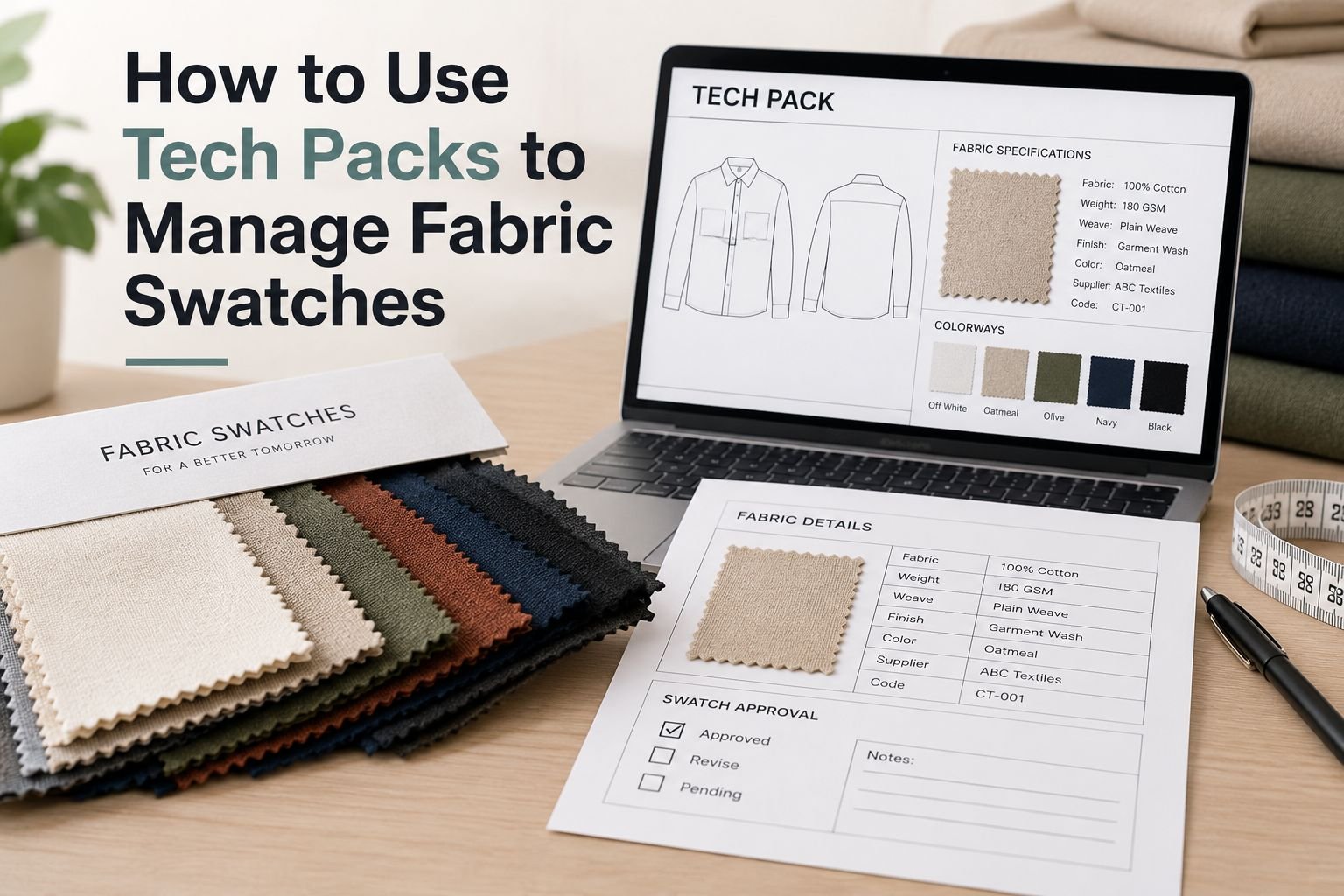
9. How Tech Packs Help You Specify Fabric Correctly
Here’s something many new founders don’t realize:
Manufacturers don’t guess fabric quality — they follow tech pack instructions.
A proper tech pack includes:
- Fabric composition (e.g., 95% cotton, 5% elastane)
- GSM specification
- Fabric finish
- Color standards
- Stretch requirements
Without this, factories may substitute materials — leading to inconsistent products.
This is why professional clothing brands rely on detailed tech packs before production.
10. Quick Fabric Selection Cheat Sheet
| Product Type | Recommended Fabric |
|---|---|
| T-shirts | Cotton or Cotton-Poly |
| Streetwear Hoodies | Heavy Cotton (300 GSM+) |
| Activewear | Polyester-Spandex |
| Summer Dresses | Linen or Rayon |
| Premium Basics | Cotton-Spandex |
| Jackets | Nylon or Polyester |
The Real Secret: Fabric Builds Brand Trust
Customers don’t remember stitching details.
They remember how clothing felt.
When fabric feels right:
- Reviews improve
- Returns drop
- Brand loyalty grows
- Pricing power increases
Your fabric choice silently communicates your brand’s value.
Conclusion: Start Thinking Like a Real Fashion Brand
Every successful clothing brand eventually learns this truth:
Design attracts customers.
Fabric keeps them coming back.
As a clothing startup, your advantage isn’t massive budgets — it’s smart decisions early.
Learn fabrics. Test samples. Specify clearly. Build quality from day one.
Because in fashion, the difference between a short-term store and a long-term brand often starts with the fabric you choose.
FAQs
1. Which fabric is best for a new clothing brand?
Cotton or cotton-poly blends are safest for beginners because they balance comfort, cost, and scalability.
2. What does GSM mean in fabric?
GSM means fabric weight. Higher GSM usually feels thicker and more premium.
3. Is polyester bad quality?
Not necessarily. Modern performance polyester is widely used in premium sportswear.
4. Should startups use sustainable fabrics?
Yes, especially if targeting global ecommerce markets where eco-conscious buying is growing fast.
5. What fabric works best for print-on-demand brands?
Ring-spun cotton or cotton-poly blends provide good print results and durability.
6. Why do garments shrink after washing?
Usually due to untreated cotton or incorrect fabric finishing during manufacturing.
7. Do I need fabric details in a tech pack?
Absolutely. Fabric specifications ensure manufacturers produce exactly what you designed.
Ready for Production?
Get a professional tech pack for your fashion design.
Table of Contents