
How to Start a Clothing Brand in the USA: Step-by-Step Guide for First-Time Fashion Founders
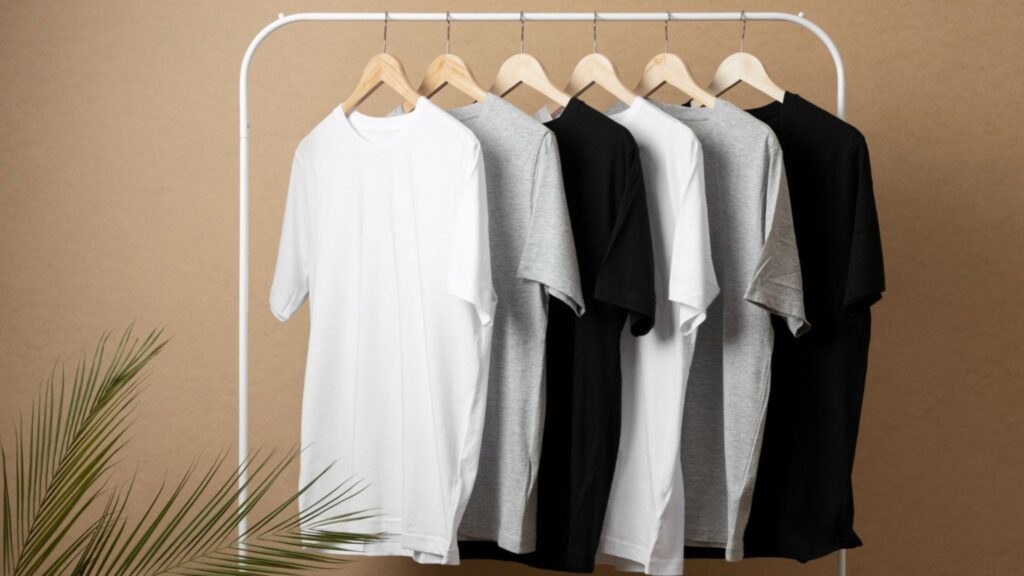
You’ve pictured it a hundred times.
Your logo stitched inside a hoodie.
Customers tagging your brand on Instagram.
Your first “Sold Out” post lighting up your phone at midnight.
And then the doubts creep in.
Is the U.S. market too crowded?
Do I need licenses?
How much money does this really take?
If you’re dreaming of launching a clothing brand in America—from anywhere in the world—this guide is for you.
Let’s walk through the real process: legally, creatively, and profitably.
What Does It Mean to Start a Clothing Brand in the USA?
Starting a clothing brand in the U.S. means more than designing cool pieces.
You’re building:
- a legal business entity
- a product line
- a supply chain
- a pricing strategy
- an ecommerce system
- a brand customers trust
The good news?
Thousands of independent labels launch every year—without massive funding—by starting small, staying focused, and using smart production systems.
This article breaks it into simple, doable steps you can follow from day one.
Step 1: Choose Your Niche and Customer (Before Anything Else)
The biggest mistake beginners make is trying to sell to everyone.
In fashion, that never works.
Instead, define:
- Gender focus: men, women, unisex
- Category: streetwear, activewear, kidswear, workwear, resort wear
- Price range: budget, mid-range, premium
- Lifestyle: gym lovers, creatives, parents, travelers
- Location: New York urban buyers? California casual? Texas workwear?
Global Example
- A Miami founder launches eco-friendly swimwear for beach lovers.
- A New York startup builds premium minimalist office basics.
- A Texas label focuses on rugged denim for ranch culture.
- An overseas brand targets U.S. POD customers with slogan tees.
Your customer decides your:
✔ fabrics
✔ fits
✔ suppliers
✔ marketing
✔ branding voice
Step 2: Research the U.S. Fashion Market Like a Pro
Before sketching designs, study what already sells.
Look at:
- Amazon Best Sellers in Apparel
- Shopify stores
- TikTok fashion trends
- Department stores like Nordstrom
- Direct-to-consumer brands
- Etsy for niche demand
Pay attention to:
- pricing levels
- size ranges
- fabric types
- return complaints
- delivery promises
Quick Research Tip
Read customer reviews carefully.
When buyers say:
“Runs small.”
“Fabric feels thin.”
“Shipping took too long.”
They’re telling you exactly how to build something better.
Step 3: Create a Strong Brand Identity
Your brand is not just your clothes.
It’s:
- your name
- your logo
- your story
- your values
- your packaging
- your social media tone
Ask yourself:
- Why does this brand exist?
- What problem does it solve?
- Who is it for?
- What makes it different?
Write one sentence:
“We create ___ for ___ who want ___.”
That becomes your brand compass.
Step 4: Register Your Business in the USA
To sell legally in the U.S., you’ll need a registered business.
Most founders choose:
- LLC – simple and flexible
- Corporation (C-Corp) – for venture funding later
You’ll also need:
- EIN (tax ID)
- Business bank account
- Sales tax permit (varies by state)
- Trademark search for your brand name
Beginner Term Explained: EIN
An Employer Identification Number is issued by the IRS.
It’s used for taxes, banking, and hiring.
Step 5: Design Your First Collection (Keep It Simple)
Your first launch is not a fashion week show.
It’s a test.
Start with:
- 5–10 styles
- 2–3 colors each
- One main hero product
- Easy silhouettes
Great beginner categories:
- T-shirts
- hoodies
- joggers
- dresses
- shirts
- co-ord sets
Sketch ideas or create digital flats.
Clarity matters more than fancy art.
Step 6: Choose Fabrics That Fit the U.S. Market
U.S. buyers care deeply about:
- comfort
- durability
- easy care
- transparency
- sustainability
Popular fabric options:
- cotton jersey for tees
- fleece or French terry for sweatshirts
- twill for pants
- rayon blends for dresses
- recycled polyester for activewear
Beginner Term Explained: GSM
GSM means grams per square meter.
It shows fabric weight:
- 160–180 GSM → light tee
- 200–220 GSM → premium tee
- 300+ GSM → hoodie fabric
Step 7: Create a Professional Tech Pack
This is where most startups save—or lose—thousands.
A tech pack is a production blueprint that shows factories:
- measurements
- stitching
- fabric specs
- trims
- color codes
- artwork placement
- packaging instructions
No tech pack?
Factories guess.
Guessing = costly mistakes.
At TechPackGenius.com, we help U.S.-focused brands turn ideas into factory-ready tech packs so sampling moves fast and smoothly.
Step 8: Find Clothing Manufacturers for the U.S. Market
You can produce:
- in the USA (faster shipping, higher cost)
- overseas (lower cost, longer timelines)
- nearshore (Mexico, Central America)
Look for:
- low MOQs
- sampling services
- compliance certifications
- clear communication
- export experience
Always request:
- samples
- timelines
- costing sheets
- fabric swatches
Step 9: Sample, Test, and Refine
Sampling is where designs become real.
Expect multiple rounds.
Check:
- fit
- shrinkage after wash
- stitching strength
- color accuracy
- comfort
- label placement
Give factories detailed feedback.
Update your tech pack.
Repeat until it’s right.
Step 10: Price for the American Market
Use this formula:
Production + shipping + duties + packaging + marketing + platform fees = base cost
Then:
- Wholesale price = 2× base cost
- Retail price = 2.5–3× base cost
Example:
If a hoodie costs $20 landed in the U.S.:
- Wholesale → $40
- Retail → $50–60
Never price so low that growth becomes impossible.
Step 11: Set Up Ecommerce and Logistics
Most U.S. brands sell direct-to-consumer first.
You’ll need:
- Shopify or WooCommerce store
- professional photos
- size charts
- return policy
- U.S. fulfillment partner
- customer support email
Shipping speed matters in America.
Clear delivery promises build trust.
Step 12: Launch Smart, Not Big
Instead of producing thousands of units, try:
- limited first drop
- pre-orders
- influencer seeding
- email waitlists
- TikTok previews
- pop-up shops
Scarcity creates buzz.
Feedback shapes your second collection.
Common Mistakes New U.S. Brands Make
Avoid these:
- ordering too many units
- skipping legal setup
- ignoring size inclusivity
- underpricing
- poor tech packs
- choosing factories only by cost
- weak branding
Slow and strategic wins.
Final Thoughts: The U.S. Market Rewards Prepared Brands
America is competitive—but fair.
If you bring:
- clear positioning
- strong designs
- reliable production
- transparent pricing
- great fit
- fast delivery
Customers respond.
Your first collection is not about perfection.
It’s about proof.
And when you’re ready to turn sketches into production-ready garments, TechPackGenius.com is here to support you with professional tech packs that help manufacturers say yes—fast.
FAQs
1) How much money do I need to start a clothing brand in the USA?
Many founders start between $3,000–$20,000, depending on category, sampling, and production quantities.
2) Do I need to live in the U.S. to start a U.S.-based brand?
No. Many international founders register U.S. LLCs and sell online globally.
3) How long does it take to launch?
Typically 3–6 months from idea to first drop.
4) What is a tech pack and why is it important?
It’s a detailed production document that prevents factory errors and speeds up sampling.
5) Can I start with print-on-demand?
Yes. POD is great for testing designs before investing in bulk production.
6) Should I manufacture in the USA or overseas?
Both work. U.S. production is faster; overseas is cheaper. Many brands mix both.
7) What’s the best state to register my clothing business?
Popular choices include Delaware, Wyoming, and your home state—depending on taxes and operations.
Table of Contents